
India’s Economic Growth in 2026: Opportunities, Challenges and the Road Ahead
India is currently one of the fastest-growing economies in the world. In 2026, the Indian economy continues to show strong performance despite global challenges such as inflation, geopolitical tensions, and slow growth in many developed countries. With rapid digital transformation, rising infrastructure development, increasing foreign investments, and government reforms, India is moving towards becoming a major global economic power.
For students preparing for competitive exams and understanding current affairs, economic developments are extremely important. Topics related to GDP, inflation, banking, budget, taxation, trade, and employment are frequently asked in exams like UPSC, SSC, Banking, Railways, and State PCS. Understanding the Indian economy also helps students connect current events with real-world developments.
This blog explains the current economic condition of India in simple language and highlights important economic topics of 2026.
What is Economy?
An economy is the system through which goods and services are produced, distributed, and consumed in a country. It includes industries, agriculture, trade, banking, employment, government policies, and investments.
The economy of a country determines the standard of living of its people. A strong economy provides employment, improves infrastructure, reduces poverty, and increases national income.
India has a mixed economy, where both the government and private sector work together for economic development.
India’s Economic Position in 2026
India has become one of the world’s largest economies. According to recent international reports, India remains among the top five economies globally. The country is witnessing strong growth due to rising domestic demand, manufacturing expansion, and digital innovation.
Major factors supporting India’s growth in 2026 include:
- Rapid digitalization
- Growth in infrastructure projects
- Expansion of manufacturing industries
- Increase in foreign direct investment (FDI)
- Government economic reforms
- Strong startup ecosystem
- Development in renewable energy
India’s economy is expected to continue growing because of its large youth population and increasing consumption.
GDP Growth of India
GDP stands for Gross Domestic Product. It measures the total value of goods and services produced within a country during a specific period. GDP growth indicates economic progress.
India’s GDP growth in 2026 remains strong compared to many countries. The services sector, manufacturing sector, and agriculture contribute significantly to GDP.
Major Contributors to India’s GDP
1. Services Sector
The services sector contributes the highest share to India’s GDP. It includes:
- Information Technology (IT)
- Banking and Finance
- Education
- Healthcare
- Tourism
- Communication
India’s IT industry continues to grow rapidly, making the country a global technology hub.
2. Manufacturing Sector
The government’s “Make in India” initiative encourages manufacturing and industrial production. Sectors like electronics, automobiles, defence manufacturing, and textiles are growing rapidly.
3. Agriculture Sector
Agriculture remains an important part of the Indian economy. Millions of people depend on farming for their livelihood. Government schemes, irrigation projects, and technological improvements are helping farmers increase productivity.
Inflation and Its Impact
Inflation refers to the increase in prices of goods and services over time. Moderate inflation is normal, but high inflation affects common people because daily expenses increase.
In 2026, India is focusing on controlling inflation through monetary policies and government measures. Food prices, fuel prices, and international market conditions influence inflation.
Effects of Inflation
- Increase in cost of living
- Reduced purchasing power
- Higher transportation costs
- Impact on savings and investments
The Reserve Bank of India (RBI) plays an important role in controlling inflation through repo rate adjustments.
Role of RBI in the Economy
The Reserve Bank of India is the central bank of the country. RBI manages monetary policy and maintains financial stability.
Main Functions of RBI
- Controls inflation
- Issues currency notes
- Regulates banks
- Maintains foreign exchange reserves
- Controls money supply
- Decides repo rate and reverse repo rate
The repo rate is the interest rate at which RBI lends money to commercial banks. If inflation rises, RBI may increase repo rates to reduce excess money flow in the economy.
Digital Economy and UPI Revolution
India has witnessed a massive digital transformation in recent years. Digital payments through UPI (Unified Payments Interface) have become extremely popular.
People can now transfer money instantly using mobile phones. UPI has made India one of the leading digital payment economies in the world.
Benefits of Digital Economy
- Faster transactions
- Transparency
- Reduced corruption
- Financial inclusion
- Growth of online businesses
Government initiatives like Digital India and BHASHINI are promoting digital accessibility across the country.
Employment and Job Creation
Employment generation remains one of the biggest priorities for India. With a large youth population, creating jobs is essential for economic growth.
Sectors Creating Employment
- Information Technology
- Manufacturing
- Construction
- Startups
- Renewable Energy
- E-commerce
The startup ecosystem in India is growing rapidly. Many young entrepreneurs are creating innovative businesses that generate employment opportunities.
Infrastructure Development in India
Infrastructure plays a major role in economic growth. Roads, railways, airports, ports, and digital connectivity improve business activities and attract investments.
Major Infrastructure Projects
- Bharatmala Project
- Sagarmala Project
- Dedicated Freight Corridors
- Smart Cities Mission
- High-speed Rail Projects
Improved infrastructure reduces transportation costs and increases economic efficiency.
Foreign Direct Investment (FDI)
FDI refers to investments made by foreign companies in India. India has become an attractive destination for global investors because of its large market and growing economy.
Benefits of FDI
- Creates jobs
- Brings advanced technology
- Improves industrial production
- Increases exports
- Boosts economic growth
Sectors receiving high FDI include technology, manufacturing, renewable energy, and retail.
Green Economy and Renewable Energy
India is focusing on sustainable development and renewable energy. Green energy sources such as solar power, wind energy, and green hydrogen are becoming important parts of the economy.
National Green Hydrogen Mission
The government launched the Green Hydrogen Mission to promote clean energy and reduce dependence on fossil fuels.
Benefits of Renewable Energy
- Reduces pollution
- Promotes sustainable growth
- Creates green jobs
- Reduces fuel imports
India is also among the leading countries in solar energy production.
Challenges Before Indian Economy
Despite strong growth, India still faces several economic challenges.
1. Unemployment
Many educated youth still struggle to find suitable jobs.
2. Inflation
Rising prices affect middle-class and poor families.
3. Rural Development
Some rural areas still lack proper infrastructure and employment opportunities.
4. Global Economic Uncertainty
International conflicts and economic slowdown in other countries can affect India’s exports and investments.
5. Income Inequality
The gap between rich and poor remains a challenge.
The government is working on reforms and welfare schemes to address these issues.
Importance of Economic Awareness for Students
Understanding economics helps students:
- Prepare for competitive exams
- Understand government policies
- Improve financial knowledge
- Analyze current affairs
- Make informed career decisions
Economic awareness is important not only for exams but also for understanding the country’s development.
Important Economic Terms for Exams
GDP
Gross Domestic Product – total value of goods and services produced in a country.
Inflation
Rise in prices over time.
Repo Rate
Rate at which RBI lends money to banks.
Fiscal Deficit
Difference between government expenditure and revenue.
FDI
Foreign Direct Investment.
GST
Goods and Services Tax.
Monetary Policy
Policy used by RBI to control money supply and inflation.
Conclusion
India’s economy in 2026 is showing strong growth and transformation. Digital innovation, infrastructure development, renewable energy, manufacturing expansion, and government reforms are driving economic progress. At the same time, challenges like unemployment, inflation, and income inequality need continuous attention.
For students, understanding the economy is extremely important because economic topics are directly connected with current affairs and competitive exams. Knowledge of economic concepts also helps individuals understand how government policies affect daily life.
India’s future economic success will depend on sustainable development, innovation, employment generation, and effective policy implementation. With proper reforms and active participation from citizens, India has the potential to become one of the strongest economies in the world.
Prabh Kirpa Classes continues to help students understand important current affairs and economic topics in a simple and effective manner, making exam preparation easier and more meaningful.
Newsletter
Recent Posts

New Exoplanet Reveals Giant Planet Formation Secrets | Space Discovery | Current Affairs 2026
How does the newly discovered exoplanet help scientists understand giant

Google Launches AI Courses in 220+ Engineering Colleges | AI Education India | Current Affairs 2026
What is Google’s new AI education initiative in India?
In
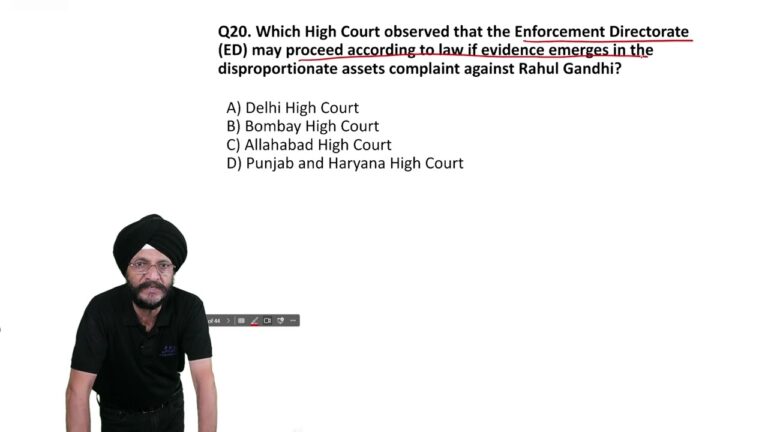
High Court Gives ED Green Signal in Rahul Gandhi Case | Current Affairs 2026 | Important MCQ
High Court Gives ED Green Signal in Rahul Gandhi Case

Which Industrial Unit Did KTR Urge Telangana to Restart? | Current Affairs 2026 | MCQ
In July 2026, K.T. Rama Rao (KTR) urged the Telangana