
What Is Economics? A Complete Beginner’s Guide for Students
Introduction
Economics is one of the most important subjects that helps us understand how the world works. Every day, people make decisions about spending money, saving resources, choosing careers, buying products, and managing businesses. Economics explains the principles behind these decisions and helps us understand how individuals, companies, and governments use limited resources to satisfy unlimited wants.
For students, economics is not just a subject in school or college—it is a practical tool that helps develop analytical thinking, problem-solving skills, and decision-making abilities. Whether you want to become a business professional, government officer, entrepreneur, teacher, or researcher, understanding economics can provide valuable insights into how societies function.
This beginner’s guide will explain the meaning of economics, its importance, branches, basic concepts, and real-life applications in simple language.
What Is Economics?
Economics is the study of how people, businesses, and governments use limited resources to satisfy their unlimited wants and needs.
In simple terms, economics helps answer questions such as:
- What should be produced?
- How should it be produced?
- For whom should it be produced?
- How should resources be allocated?
The word “Economics” comes from the Greek words:
- Oikos = Household
- Nomos = Management
Thus, economics originally meant the management of household resources.
Today, economics studies how societies manage resources like land, labor, money, technology, and time.
Definitions of Economics
Different economists have defined economics in different ways.
Adam Smith
Adam Smith, known as the “Father of Economics,” defined economics as the study of wealth.
According to him:
Economics is the science of wealth.
His focus was on how nations create and accumulate wealth.
Alfred Marshall
Marshall gave a broader definition.
According to him:
Economics is the study of mankind in the ordinary business of life.
He focused on both wealth and human welfare.
Lionel Robbins
Robbins provided the most widely accepted modern definition.
According to him:
Economics is the science that studies human behavior as a relationship between unlimited wants and scarce resources that have alternative uses.
This definition highlights the problem of scarcity.
Why Is Economics Important?
Economics affects every aspect of our lives.
1. Helps in Decision Making
Economics teaches people how to make rational decisions.
For example:
- Should you save money or spend it?
- Should a company launch a new product?
- Should a government increase taxes?
Economics provides tools to answer such questions.
2. Understanding Markets
Economics explains how markets function and how prices are determined.
Examples:
- Why do petrol prices increase?
- Why do vegetables become expensive during shortages?
- Why do discounts attract customers?
3. Better Financial Planning
Students learn:
- Budgeting
- Saving
- Investing
- Managing expenses
These skills are useful throughout life.
4. Career Opportunities
Economics opens doors to careers in:
- Banking
- Finance
- Government services
- Research
- Data analysis
- Teaching
- Business management
5. Understanding National Issues
Economics helps people understand:
- Inflation
- Unemployment
- Poverty
- Economic growth
- Government policies
Basic Economic Problem: Scarcity
Scarcity is the central problem of economics.
Human wants are unlimited, but resources are limited.
For example:
A student may want:
- A new smartphone
- Better clothes
- A laptop
- A vacation
However, money is limited.
Therefore, choices must be made.
This creates the problem of scarcity.
Wants vs Needs
Understanding the difference between wants and needs is important.
Needs
Needs are essential for survival.
Examples:
- Food
- Water
- Shelter
- Clothing
Wants
Wants are things people desire but can live without.
Examples:
- Luxury cars
- Expensive watches
- Gaming consoles
Economics studies how people prioritize wants and needs when resources are limited.
Resources in Economics
Resources used to produce goods and services are called factors of production.
There are four main factors.
1. Land
Land includes all natural resources.
Examples:
- Soil
- Forests
- Rivers
- Minerals
Reward: Rent
2. Labor
Labor refers to human effort used in production.
Examples:
- Teachers
- Doctors
- Engineers
- Farmers
Reward: Wages
3. Capital
Capital includes man-made resources used for production.
Examples:
- Machines
- Buildings
- Tools
- Equipment
Reward: Interest
4. Entrepreneurship
Entrepreneurs organize resources and take risks.
Examples:
- Business owners
- Startup founders
Reward: Profit
Branches of Economics
Economics is mainly divided into two branches.
1. Microeconomics
Microeconomics studies individual economic units.
Examples:
- Consumer behavior
- Household decisions
- Firm production
- Product pricing
Questions studied:
- Why do people buy certain products?
- How does a company determine prices?
Example
A student decides whether to buy a ₹20,000 laptop or a ₹30,000 laptop.
This is a microeconomic decision.
2. Macroeconomics
Macroeconomics studies the economy as a whole.
Topics include:
- National income
- Inflation
- Unemployment
- Economic growth
- Government policies
Example
India’s GDP growth rate is a macroeconomic topic.
Goods and Services
Economics distinguishes between goods and services.
Goods
Physical products that can be touched.
Examples:
- Books
- Mobile phones
- Cars
- Clothes
Services
Activities provided to satisfy needs.
Examples:
- Education
- Healthcare
- Banking
- Transportation
Both goods and services contribute to economic development.
Opportunity Cost
Opportunity cost is one of the most important concepts in economics.
Meaning
The value of the next best alternative that is sacrificed when a choice is made.
Example
A student has two options:
- Study for an exam
- Watch a movie
If the student chooses to watch the movie, the opportunity cost is the study time lost.
Economics teaches us to consider opportunity costs before making decisions.
Demand and Supply
Demand and supply are the foundation of market economics.
Demand
Demand refers to the quantity of a product consumers are willing and able to buy at different prices.
Law of Demand
When price increases, demand generally decreases.
When price decreases, demand generally increases.
Example
If the price of ice cream falls, more people buy it.
Supply
Supply refers to the quantity producers are willing to sell at different prices.
Law of Supply
Higher prices encourage producers to supply more.
Lower prices discourage production.
Example
If wheat prices rise, farmers may grow more wheat.
Price Determination
Prices are determined by the interaction of demand and supply.
High Demand + Low Supply
Price increases.
Example:
Concert tickets during peak demand.
Low Demand + High Supply
Price decreases.
Example:
Seasonal sales and discounts.
This mechanism helps allocate resources efficiently.
Types of Economic Systems
Different countries organize their economies differently.
1. Capitalist Economy
Characteristics:
- Private ownership
- Free markets
- Profit motive
Examples:
- United States
- Singapore
Advantages:
- Innovation
- Competition
Disadvantages:
- Income inequality
2. Socialist Economy
Characteristics:
- Government ownership
- Central planning
Advantages:
- Equal distribution
Disadvantages:
- Less competition
3. Mixed Economy
Characteristics:
- Combination of private and public sectors
Examples:
- India
- United Kingdom
Most modern economies are mixed economies.
Inflation
Inflation means a continuous increase in the general price level.
Example
If milk costs ₹50 today and ₹55 next year, inflation has occurred.
Causes
- Increased demand
- Rising production costs
- Excess money supply
Effects
Positive:
- Encourages production
Negative:
- Reduces purchasing power
Students should understand inflation because it affects daily expenses and savings.
Unemployment
Unemployment occurs when people willing and able to work cannot find jobs.
Types
Frictional Unemployment
Temporary unemployment while changing jobs.
Structural Unemployment
Skills do not match market requirements.
Cyclical Unemployment
Caused by economic downturns.
Effects
- Lower income
- Reduced living standards
- Economic slowdown
Economic Growth
Economic growth refers to an increase in a country’s production of goods and services over time.
Indicators
- GDP growth
- Higher income levels
- Better employment opportunities
Importance
Economic growth leads to:
- Better infrastructure
- Improved healthcare
- Quality education
- Higher living standards
Role of Government in Economics
Governments play a major role in economic development.
Functions
Tax Collection
Governments collect taxes to fund public services.
Public Services
Examples:
- Roads
- Schools
- Hospitals
Regulation
Governments regulate businesses to protect consumers.
Economic Stability
Governments control inflation and unemployment through policies.
Economics in Everyday Life
Economics is not limited to textbooks.
You use economics every day.
Examples
Budgeting
Students decide how to spend pocket money.
Shopping
Comparing prices before purchasing products.
Time Management
Choosing between studying and entertainment.
Career Decisions
Selecting courses based on future opportunities.
Saving Money
Deciding how much money to save for future goals.
Every choice involves economic thinking.
Importance of Studying Economics for Students
Improves Critical Thinking
Students learn how to analyze problems logically.
Enhances Decision-Making Skills
Economics teaches rational choices.
Builds Financial Awareness
Students understand:
- Savings
- Investments
- Budgeting
Supports Competitive Exams
Economics is important for:
- UPSC
- SSC
- Banking Exams
- State PCS
- CUET
Creates Career Opportunities
Career options include:
- Economist
- Financial Analyst
- Banker
- Investment Consultant
- Policy Analyst
- Business Manager
- Researcher
- Teacher
Common Economic Terms Every Student Should Know
| Term | Meaning |
|---|---|
| Scarcity | Limited resources |
| Demand | Consumer desire backed by purchasing power |
| Supply | Quantity producers offer |
| Inflation | Rise in prices |
| GDP | Total value of goods and services produced |
| Opportunity Cost | Next best alternative forgone |
| Capital | Man-made production resources |
| Market | Place where buyers and sellers interact |
| Profit | Revenue minus cost |
| Unemployment | Lack of jobs for willing workers |
Conclusion
Economics is the study of how individuals, businesses, and governments make choices when resources are limited. It helps us understand important concepts such as scarcity, demand, supply, inflation, unemployment, and economic growth. More importantly, economics teaches practical life skills like budgeting, decision-making, resource management, and critical thinking.
For students, economics is not merely an academic subject—it is a powerful tool for understanding the world around them. Whether you are buying a product, planning your career, managing money, or analyzing national issues, economic principles influence your decisions every day. By learning economics, students gain valuable knowledge that prepares them for future careers and helps them become informed, responsible citizens in an increasingly complex global economy.
Newsletter
Recent Posts

New Exoplanet Reveals Giant Planet Formation Secrets | Space Discovery | Current Affairs 2026
How does the newly discovered exoplanet help scientists understand giant

Google Launches AI Courses in 220+ Engineering Colleges | AI Education India | Current Affairs 2026
What is Google’s new AI education initiative in India?
In
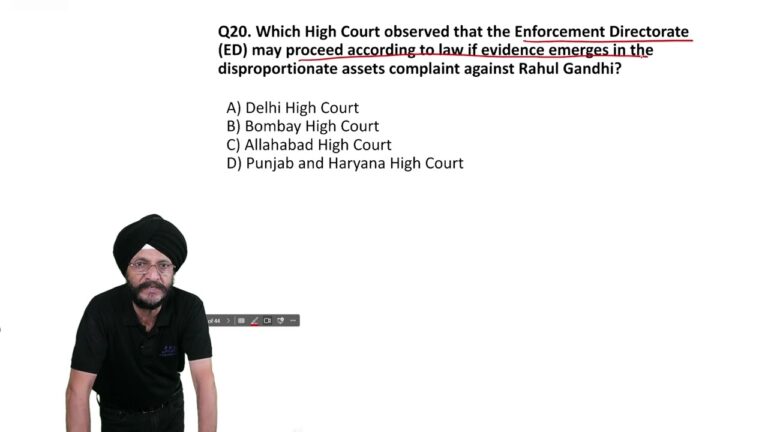
High Court Gives ED Green Signal in Rahul Gandhi Case | Current Affairs 2026 | Important MCQ
High Court Gives ED Green Signal in Rahul Gandhi Case

Which Industrial Unit Did KTR Urge Telangana to Restart? | Current Affairs 2026 | MCQ
In July 2026, K.T. Rama Rao (KTR) urged the Telangana