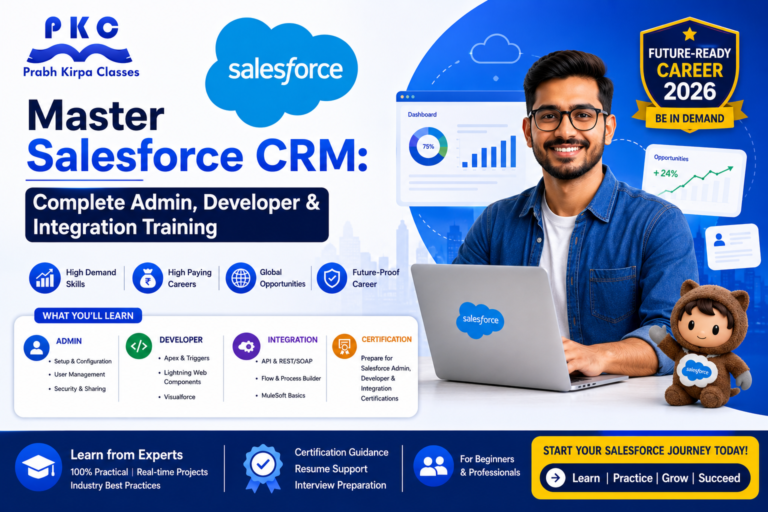
Master Salesforce CRM: Complete Admin, Developer & Integration Training
In today’s competitive business world, companies need powerful tools to manage customer relationships, streamline operations, and drive growth. Salesforce, the world’s leading Customer Relationship Management (CRM) platform, has become the preferred choice for organizations across industries. From startups to multinational corporations, businesses rely on Salesforce to manage sales, customer service, marketing, and business processes efficiently.
As Salesforce adoption continues to grow, the demand for skilled Salesforce professionals is increasing rapidly. Organizations are actively seeking trained Salesforce Administrators, Developers, Consultants, and Integration Specialists who can customize, automate, and enhance Salesforce environments.
If you’re looking to build a successful career in cloud technology, mastering Salesforce CRM can open doors to high-paying job opportunities and long-term career growth. This comprehensive guide covers Salesforce Administration, Development, and Integration training, helping beginners and professionals understand the skills needed to become Salesforce experts.
What is Salesforce CRM?
Salesforce CRM is a cloud-based platform that helps organizations manage customer relationships, sales activities, marketing campaigns, customer support, and business operations from a centralized system.
CRM stands for Customer Relationship Management. It enables businesses to:
- Track customer interactions
- Manage leads and opportunities
- Improve customer service
- Automate business processes
- Generate reports and analytics
- Increase productivity and sales performance
Because Salesforce operates entirely on the cloud, users can access information anytime and from anywhere.
Why Learn Salesforce CRM?
Salesforce is one of the most sought-after technologies in the IT industry. Learning Salesforce provides several advantages:
High Demand
Thousands of organizations worldwide use Salesforce and require skilled professionals to manage their systems.
Excellent Career Opportunities
Salesforce professionals can work in roles such as:
- Salesforce Administrator
- Salesforce Developer
- Salesforce Consultant
- Business Analyst
- Integration Specialist
- Technical Architect
- Solution Architect
Competitive Salaries
Certified Salesforce professionals often receive attractive compensation packages due to the growing demand for their expertise.
Global Recognition
Salesforce skills are recognized globally, making it easier to work with international clients and organizations.
Continuous Growth
Salesforce continuously introduces new technologies, creating ongoing opportunities for learning and advancement.
Salesforce Administration Training
Salesforce Administration is the foundation of the Salesforce ecosystem. Administrators configure and maintain Salesforce environments without extensive coding.
What Does a Salesforce Administrator Do?
A Salesforce Administrator manages:
- Users
- Security
- Data
- Reports
- Dashboards
- Automation
- System customization
Administrators ensure the platform meets business requirements while maintaining data accuracy and security.
Salesforce Admin Topics Covered
Introduction to Salesforce
Students begin by understanding:
- CRM Concepts
- Cloud Computing
- Salesforce Ecosystem
- Salesforce Architecture
Objects and Fields
Objects store business information inside Salesforce.
Topics include:
- Standard Objects
- Custom Objects
- Standard Fields
- Custom Fields
- Field Data Types
Examples:
- Account Object
- Contact Object
- Lead Object
- Opportunity Object
User Management
Administrators manage access to Salesforce.
Topics include:
- User Creation
- User Activation
- Login Access
- Password Policies
Security Model
Security is one of the most important areas in Salesforce.
Students learn:
- Profiles
- Permission Sets
- Permission Set Groups
- Roles
- Sharing Rules
- Organization-Wide Defaults (OWD)
Page Layouts and Record Types
Customize the user experience through:
- Page Layouts
- Record Types
- Compact Layouts
- Lightning Pages
Data Management
Effective data management ensures business success.
Topics include:
- Data Import Wizard
- Data Loader
- Data Export
- Duplicate Management
- Data Validation
Reports and Dashboards
Salesforce reporting helps organizations make informed decisions.
Students learn:
- Report Types
- Tabular Reports
- Summary Reports
- Matrix Reports
- Dashboards
- Dashboard Filters
Salesforce Automation Training
Automation reduces manual work and improves efficiency.
Flow Builder
Flow Builder is the primary automation tool in Salesforce.
Topics include:
- Screen Flow
- Record Triggered Flow
- Scheduled Flow
- Auto-Launched Flow
Approval Processes
Students learn to automate approval workflows.
Examples include:
- Leave Approvals
- Expense Approvals
- Purchase Requests
Salesforce Development Training
After mastering administration, professionals can move into Salesforce Development.
Salesforce Developers create custom business solutions using code and advanced platform features.
Apex Programming
Apex is Salesforce’s programming language.
Students learn:
Variables and Data Types
Common data types:
- Integer
- Decimal
- Double
- Boolean
- String
- Date
- Datetime
- Id
Operators
Important operators include:
- Arithmetic Operators
- Comparison Operators
- Logical Operators
Conditional Statements
Topics include:
- If Statement
- If-Else Statement
- Switch Statement
Loops
Students learn:
- For Loop
- While Loop
- Do-While Loop
Collections
Apex collections include:
- List
- Set
- Map
Collections are essential for handling multiple records efficiently.
SOQL Training
SOQL (Salesforce Object Query Language) retrieves data from Salesforce.
Students learn:
Basic Queries
SELECT Name FROM AccountFiltered Queries
SELECT Name FROM Account
WHERE Industry = 'Technology'
Relationship Queries
Retrieve data from related objects.
SOSL Training
SOSL helps search multiple objects simultaneously.
Students understand:
- Search Syntax
- Search Scope
- Performance Optimization
Apex Triggers
Triggers execute automatically when data changes.
Topics include:
- Before Insert
- After Insert
- Before Update
- After Update
- Before Delete
- After Delete
Students also learn trigger best practices and bulkification techniques.
Exception Handling
Developers must manage application errors effectively.
Topics include:
- Try-Catch Blocks
- Custom Exceptions
- Debugging Techniques
Lightning Web Components (LWC) Training
Lightning Web Components is Salesforce’s modern user interface framework.
LWC enables developers to build fast and interactive applications.
LWC Topics Covered
Component Structure
Students learn:
- HTML Files
- JavaScript Files
- XML Metadata Files
Data Binding
Display dynamic information within components.
Events
Handle user interactions through:
- Click Events
- Custom Events
- Parent-Child Communication
Lifecycle Hooks
Understand component lifecycle methods.
Apex Integration
Connect LWC components with Apex controllers.
Lightning Data Service
Retrieve and update Salesforce records efficiently.
Salesforce Integration Training
Modern organizations use multiple applications. Salesforce Integration enables seamless communication between systems.
Why Integrations Matter
Businesses often connect Salesforce with:
- ERP Systems
- Accounting Software
- Marketing Platforms
- E-commerce Applications
- External Databases
REST API Training
REST APIs are commonly used for integrations.
Students learn:
- HTTP Methods
- JSON
- Authentication
- API Testing
SOAP API Training
SOAP APIs are used in enterprise-level integrations.
Topics include:
- WSDL
- XML Requests
- XML Responses
Authentication Methods
Secure integrations require proper authentication.
Students learn:
- OAuth
- Access Tokens
- Connected Apps
Postman Training
Postman helps test APIs efficiently.
Students practice:
- Creating Requests
- Testing Endpoints
- Authentication Configuration
Real-Time Integration Projects
Hands-on integration scenarios include:
- Salesforce to External Database
- Salesforce to ERP
- Third-Party Application Integration
Real-World Projects Included
Practical experience is essential for becoming job-ready.
Students work on projects such as:
Employee Management System
Features:
- Employee Records
- Leave Management
- Approval Processes
Student Management System
Features:
- Student Records
- Attendance Tracking
- Reports and Dashboards
Sales Automation Project
Features:
- Lead Management
- Opportunity Tracking
- Automated Follow-Ups
Integration Project
Connect Salesforce with external systems using APIs.
Salesforce Certifications After Training
After completing training, learners can pursue certifications.
Popular certifications include:
Salesforce Certified Administrator
Ideal for beginners.
Salesforce Platform App Builder
Focuses on customization and automation.
Salesforce Platform Developer I
Recommended for aspiring developers.
Salesforce Platform Developer II
For advanced developers.
Salesforce Integration Architect
Advanced certification for integration specialists.
Career Opportunities After Salesforce Training
Completing Salesforce Admin, Development, and Integration training prepares professionals for roles such as:
- Salesforce Administrator
- Salesforce Developer
- Salesforce Consultant
- Business Analyst
- Integration Specialist
- Technical Lead
- Salesforce Architect
These roles are available across industries including:
- Banking
- Healthcare
- Telecommunications
- Retail
- Education
- Manufacturing
Benefits of Comprehensive Salesforce Training
A complete Salesforce training program helps learners:
- Build strong foundational knowledge
- Gain practical experience
- Improve problem-solving skills
- Prepare for certifications
- Increase job opportunities
- Develop industry-relevant expertise
Learning Administration, Development, and Integration together provides a competitive advantage in the job market.
Conclusion
Salesforce has become the backbone of customer relationship management for businesses worldwide. As organizations continue investing in cloud technology and digital transformation, the demand for skilled Salesforce professionals will continue to grow.
Mastering Salesforce CRM through comprehensive Admin, Developer, and Integration training equips learners with the skills required to build successful careers in one of the fastest-growing technology ecosystems. Whether you are a student, fresher, working professional, or experienced developer, Salesforce offers outstanding opportunities for career growth, financial success, and long-term stability.
By learning Salesforce Administration, Apex Development, Lightning Web Components, and Integration techniques, you can become a valuable asset to organizations and position yourself for success in the evolving digital economy.
Newsletter
Recent Posts
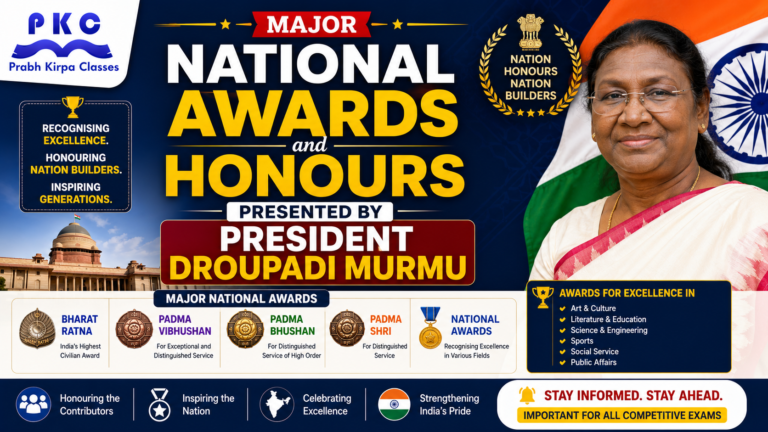
Major National Awards and Honours Presented by President Droupadi Murmu
## Introduction Awards and honours play a crucial role in
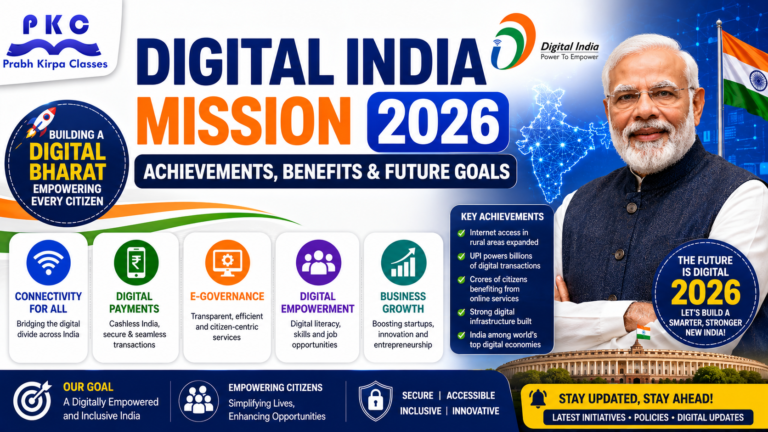
Digital India Mission 2026: Achievements, Benefits and Future Goals
Introduction Digital transformation has become one of the most powerful
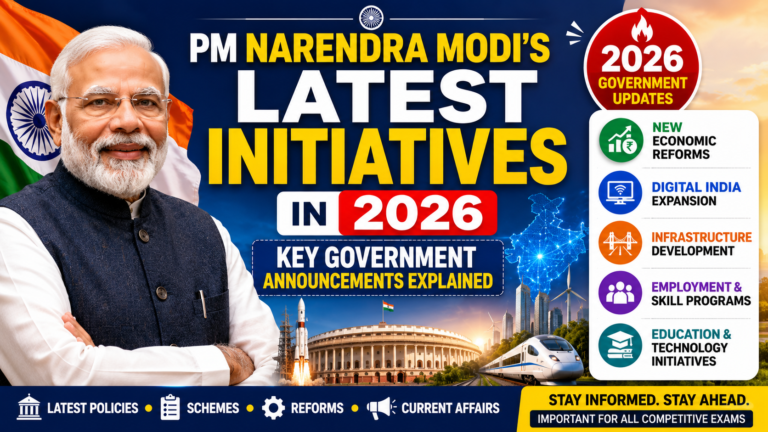
PM Narendra Modi’s Latest Initiatives in 2026: Key Government Announcements Explained
Introduction Prime Minister Narendra Modi continues to play a significant
Master Salesforce CRM: Complete Admin, Developer & Integration Training
In today’s competitive business world, companies need powerful tools to