## Introduction
Completing a Salesforce course is an important milestone, but the next challenge is turning your knowledge into a successful job opportunity. Many students spend months learning Salesforce Administration, Development, Flow Builder, Lightning Web Components (LWC), and Apex, yet they still feel nervous when attending interviews.
The reason is simple—technical knowledge alone is not enough. Recruiters look for candidates who understand business processes, can explain their projects clearly, communicate confidently, and demonstrate practical problem-solving skills.
Whether you are a fresher preparing for your first interview or a professional planning to switch careers, the right preparation can make a significant difference.
In this guide, you’ll learn how to prepare for Salesforce interviews, what recruiters expect, common mistakes to avoid, and practical tips to improve your confidence.
—
# Understand the Job Role Before Applying
Before attending an interview, carefully read the job description.
Different roles require different skills.
For example:
### Salesforce Administrator
* User Management
* Security
* Reports
* Dashboards
* Flow Builder
* Data Management
### Salesforce Developer
* Apex
* SOQL
* Lightning Web Components
* APIs
* Triggers
* Test Classes
Preparing according to the role improves your interview performance.
—
# Build Strong Fundamentals
Interviewers often begin with basic questions.
You should understand:
* What is CRM?
* What is Salesforce?
* Standard Objects
* Custom Objects
* Relationships
* Profiles
* Permission Sets
* Validation Rules
Strong fundamentals create confidence throughout the interview.
—
# Master Flow Builder
Flow Builder has become one of the most important Salesforce skills.
Interviewers may ask:
* When should you use a Screen Flow?
* What is a Record-Triggered Flow?
* How do you automate business processes?
Practice creating different types of flows before attending interviews.
—
# Prepare Real Projects
One of the most common interview questions is:
**”Tell me about the Salesforce projects you’ve worked on.”**
Build projects such as:
* Employee Management System
* Student Management Portal
* Sales CRM
* Customer Support Application
* Leave Management System
Be ready to explain:
* Business requirements
* Solution design
* Challenges faced
* Automation used
* Results achieved
Projects demonstrate practical understanding.
—
# Prepare Salesforce Development Concepts
For developer roles, revise:
* Apex Classes
* Triggers
* SOQL
* Collections
* Exception Handling
* Test Classes
Interviewers often ask practical coding-related questions.
—
# Revise Lightning Web Components
LWC is widely used in modern Salesforce applications.
Important topics include:
* Components
* HTML
* JavaScript
* Events
* Data Binding
* Apex Integration
Understanding real implementation is more valuable than memorizing syntax.
—
# Learn Basic Integration Concepts
Many organizations connect Salesforce with external systems.
Understand:
* REST APIs
* SOAP APIs
* OAuth
* JSON
* API Testing
Even a basic understanding demonstrates your willingness to learn.
—
# Improve Your Resume
Your resume should clearly highlight:
* Salesforce Skills
* Certifications
* Live Projects
* Technical Knowledge
* Internship Experience
* Achievements
Keep the resume simple, professional, and relevant.
—
# Practice Mock Interviews
Mock interviews help you:
* Improve confidence
* Reduce nervousness
* Improve communication
* Practice technical answers
* Receive constructive feedback
The more you practice, the more comfortable you become.
—
# Strengthen Communication Skills
Interviewers also evaluate:
* Confidence
* Clarity
* Professional communication
* Problem-solving approach
Explain your answers clearly instead of using complicated technical language.
—
# Common Technical Topics to Revise
Review:
* Objects and Fields
* Security Model
* Reports and Dashboards
* Flow Builder
* Approval Processes
* Apex Basics
* SOQL
* LWC Fundamentals
* Data Loader
* Sharing Rules
Regular revision improves retention.
—
# Prepare HR Interview Questions
Technical interviews are often followed by HR discussions.
Practice answering:
* Tell me about yourself.
* Why do you want to work in Salesforce?
* Why should we hire you?
* What are your strengths?
* What are your career goals?
Answer naturally instead of memorizing responses.
—
# Common Mistakes Candidates Make
Avoid these mistakes:
* Ignoring practical projects
* Giving memorized answers
* Speaking too fast
* Not asking questions
* Weak communication
* Poor resume formatting
Confidence comes from preparation.
—
# Skills Recruiters Value
Employers look for candidates who demonstrate:
* Practical Salesforce Knowledge
* Business Understanding
* Communication Skills
* Problem Solving
* Team Collaboration
* Continuous Learning
Developing these qualities improves employability.
—
# Why Choose Prabh Kirpa Classes?
Prabh Kirpa Classes prepares students not only for Salesforce learning but also for career success.
Students receive:
* Salesforce Administration Training
* Salesforce Development
* Lightning Web Components
* Salesforce Integration
* OmniStudio Training
* Live Projects
* Practical Assignments
* Resume Building
* Mock Interviews
* Certification Guidance
* Job Support
The training focuses on helping learners become industry-ready through practical learning and career preparation.
—
# Frequently Asked Questions
### How should freshers prepare for Salesforce interviews?
Start with strong fundamentals, complete practical projects, revise important topics, improve communication skills, and participate in mock interviews.
### Are live projects important?
Yes. Live projects help you explain practical business scenarios and demonstrate hands-on experience during interviews.
### Should I complete certification before applying for jobs?
Certification strengthens your profile, but practical skills and interview performance are equally important.
### Is communication important in Salesforce interviews?
Absolutely. Recruiters evaluate not only technical knowledge but also your ability to explain concepts clearly and confidently.
—
# Conclusion
Success in a Salesforce interview depends on more than technical knowledge. Recruiters want candidates who understand the platform, can solve business problems, communicate professionally, and demonstrate practical experience through projects.
By building strong fundamentals, practicing live projects, improving communication skills, and preparing through mock interviews, you can approach Salesforce interviews with confidence.
At **Prabh Kirpa Classes**, students receive industry-focused Salesforce training combined with practical assignments, certification guidance, interview preparation, resume building, and career support. With consistent learning and the right preparation, you can confidently take the next step toward a successful Salesforce career.
Newsletter
Recent Posts
Salesforce Koa: The New CRM Reasoning Model Built for Agentforce
Artificial intelligence is rapidly changing how businesses use CRM platforms.

Trump Warns EU Over Canada’s Proposed Associate Membership 🇺🇸🇨🇦🇪🇺 | Current Affairs 2026
U.S. President Donald Trump warned the European Union of potential
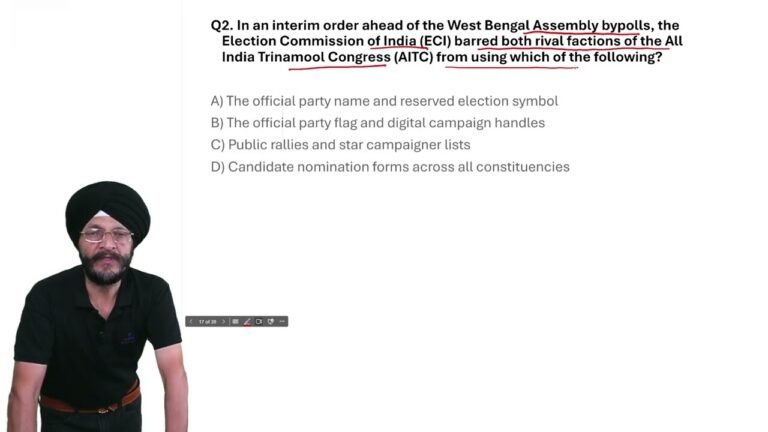
West Bengal Bypolls 2026: ECI Bans TMC Name & Symbol | Current Affairs MCQ
In today’s Current Affairs 2026 MCQ, we cover an important

Trump Warns EU Over Canada’s Associate Membership | Current Affairs MCQ 2026
In today’s Current Affairs 2026, we cover an important international