Salesforce Career After Graduation: Why Freshers Are Choosing Salesforce Over Traditional IT Courses
Graduation is one of the biggest milestones in a student’s life. However, after earning a degree, many students face an important question:
**”Which technology should I learn to build a successful IT career?”**
With so many options like Java, Python, Full Stack Development, Data Science, Artificial Intelligence, and Cybersecurity, choosing the right career path can feel overwhelming.
Over the past few years, Salesforce has become one of the most popular choices among fresh graduates. It offers a structured learning path, practical business applications, and opportunities across industries. Since Salesforce is used by businesses worldwide, professionals with Salesforce skills continue to be in demand.
Whether you have completed B.Tech, BCA, MCA, B.Sc., B.Com., MBA, or any other degree, Salesforce can provide an excellent opportunity to begin your IT journey.
In this guide, we’ll explore why more freshers are choosing Salesforce and how you can build a successful career after graduation.
—
# Why Freshers Choose Salesforce
Unlike many technologies that require advanced programming from the beginning, Salesforce allows learners to start with Administration and gradually move toward Development and Integration.
Benefits include:
* Beginner-friendly learning path
* Strong demand across industries
* Practical business applications
* Opportunities for continuous learning
* Multiple career paths
This makes Salesforce suitable for learners with different educational backgrounds.
—
# What Makes Salesforce Different?
Salesforce is a cloud-based CRM platform.
Businesses use Salesforce to:
* Manage customer relationships
* Track sales
* Improve customer service
* Automate workflows
* Generate reports
* Build custom business applications
Because it solves real business problems, Salesforce professionals play an important role in digital transformation projects.
—
# Can Non-Technical Students Learn Salesforce?
Yes.
One of Salesforce’s biggest advantages is its flexibility.
Students from backgrounds such as:
* Commerce
* Management
* Science
* Arts
* Hospitality
can begin with Salesforce Administration without extensive coding knowledge.
As confidence grows, learners can explore more technical areas.
—
# Step-by-Step Salesforce Learning Path
A structured roadmap helps beginners learn efficiently.
### Step 1
Understand CRM and Cloud Computing.
### Step 2
Learn Salesforce Administration.
### Step 3
Master Security and Data Management.
### Step 4
Learn Flow Builder.
### Step 5
Build Practical Projects.
### Step 6
Study Apex Programming.
### Step 7
Learn Lightning Web Components.
### Step 8
Understand Salesforce Integration.
### Step 9
Prepare for Certification.
### Step 10
Practice Interviews.
Following a roadmap keeps learning organized and effective.
—
# Practical Skills Employers Look For
Recruiters value candidates who can demonstrate practical abilities.
Important skills include:
* Salesforce Administration
* Flow Builder
* Reports and Dashboards
* Security Configuration
* Data Management
* Apex Basics
* Lightning Web Components
* Problem Solving
Hands-on experience is often more valuable than theoretical knowledge alone.
—
# Importance of Live Projects
Working on projects helps you apply what you’ve learned.
Examples include:
* Employee Management System
* Student Management Portal
* Sales CRM
* Customer Support System
* Leave Management Application
Projects improve confidence and strengthen your resume.
—
# Salesforce Certifications
Certifications validate your knowledge.
Popular beginner certifications include:
* Salesforce Certified Administrator
* Salesforce Platform App Builder
* Salesforce Platform Developer I
Certification combined with practical experience creates a strong professional profile.
—
# Resume Preparation
A professional resume should include:
* Salesforce Skills
* Projects
* Certifications
* Technical Knowledge
* Achievements
A well-organized resume improves your chances of getting shortlisted.
—
# Interview Preparation
Interview preparation should cover:
* CRM Fundamentals
* Salesforce Administration
* Flow Builder
* Security
* Reports
* Practical Projects
* HR Questions
Mock interviews help improve communication and confidence.
—
# Career Opportunities
Salesforce professionals may work as:
* Salesforce Administrator
* Junior Salesforce Developer
* CRM Executive
* Salesforce Support Engineer
* Salesforce Consultant
* Business Analyst
With experience, professionals can grow into Technical Lead, Solution Architect, or Consultant roles.
—
# Industries Hiring Salesforce Professionals
Salesforce professionals are employed across industries including:
* Information Technology
* Banking
* Healthcare
* Retail
* Insurance
* Manufacturing
* Education
* Telecommunications
This diversity creates long-term career opportunities.
—
# Common Mistakes Freshers Should Avoid
Avoid these mistakes:
* Learning random topics
* Ignoring practical assignments
* Skipping Flow Builder
* Avoiding certifications
* Not preparing for interviews
* Weak communication skills
A structured approach leads to better results.
—
# Why Choose Prabh Kirpa Classes?
Prabh Kirpa Classes offers practical Salesforce training designed specifically for beginners and fresh graduates.
Students receive:
* Salesforce Administration Training
* Salesforce Development
* Lightning Web Components
* Salesforce Integration
* OmniStudio Training
* Live Projects
* Practical Assignments
* Certification Guidance
* Resume Building
* Mock Interviews
* Job Support
The course focuses on helping learners become industry-ready through practical learning and expert mentorship.
—
# Frequently Asked Questions
### Is Salesforce a good career after graduation?
Yes. Salesforce offers excellent opportunities for fresh graduates because of its growing demand and structured learning path.
### Can I learn Salesforce without coding?
Yes. Beginners usually start with Salesforce Administration, which focuses on configuration rather than programming.
### Are projects important?
Absolutely. Projects help you understand real business scenarios and improve interview performance.
### Is certification necessary?
Certification strengthens your profile, but practical skills and project experience are equally important.
—
# Conclusion
Choosing the right career after graduation is one of the most important decisions you’ll make. Salesforce has emerged as one of the most promising technologies because it combines cloud computing, business applications, automation, and continuous innovation.
Whether you’re a fresher or someone planning a career change, Salesforce offers a clear learning path, exciting career opportunities, and long-term professional growth.
At **Prabh Kirpa Classes**, learners receive practical Salesforce training, live project experience, certification guidance, interview preparation, and job support to help them confidently begin their professional journey. With dedication, continuous learning, and hands-on practice, Salesforce can become the foundation of a successful and rewarding IT career.
Newsletter
Recent Posts

Salesforce Agentforce in 2026: Skills, Career Opportunities & What Developers Need to Know
Salesforce is entering a new phase of CRM development where
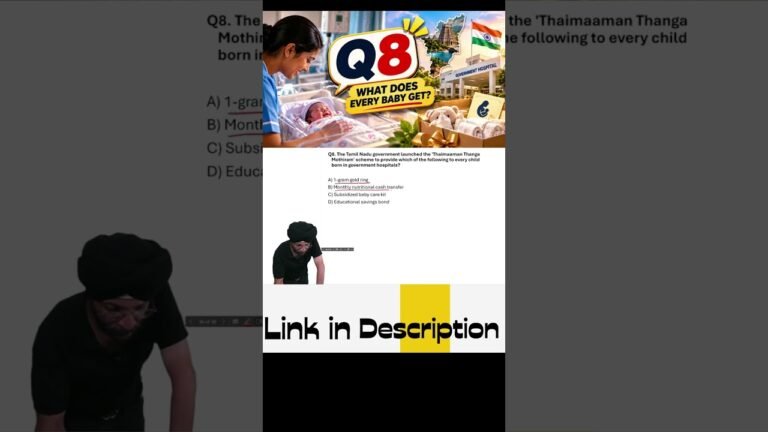
Inter-State Council Amendment 2026: Which UTs’ LGs Can Attend Meetings? | Current Affairs MCQ
In this Current Affairs MCQ, learn about the Tamil Nadu
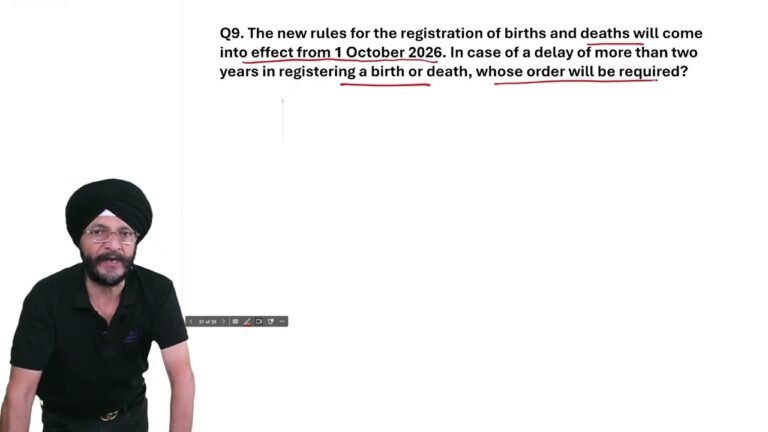
Birth & Death Registration New Rules 2026 | Who Can Approve After 2 Years? | Current Affairs MCQ
In this Current Affairs MCQ, learn about the new rules
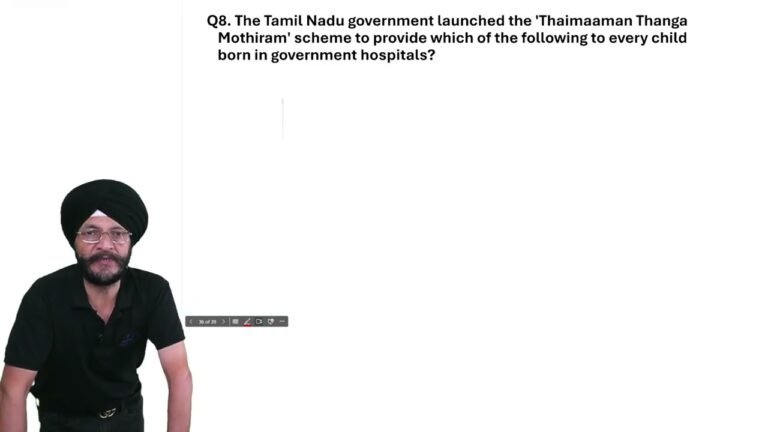
Tamil Nadu Thaimaaman Thanga Mothiram Scheme 2026 | 1 Gram Gold Ring for Newborns | Current Affairs
In this Current Affairs MCQ, learn about the Tamil Nadu