Salesforce for Career Changers: How to Move into a High-Growth CRM Career
Changing careers can feel challenging, especially when you have already spent years building experience in another field. Many professionals want to move into the IT industry but hesitate because they believe they need a computer science degree or extensive programming experience.
Salesforce offers an alternative path.
As a leading cloud-based CRM platform, Salesforce combines technology with business processes. This creates career opportunities for people with different educational and professional backgrounds. Whether you have experience in sales, customer service, administration, finance, education, operations, or another field, your existing business knowledge can become valuable when combined with Salesforce skills.
A career change still requires dedication and learning. However, with a structured roadmap, practical training, hands-on projects, and proper interview preparation, transitioning into Salesforce can become a realistic career goal.
This guide explains how career changers can begin their Salesforce journey and what steps they should follow.
—
# Why Consider Salesforce for a Career Change?
Salesforce is used by organizations to manage customers, sales, service, marketing, data, and business processes.
Professionals can work in areas such as:
* Salesforce Administration
* Salesforce Development
* CRM Support
* Business Analysis
* Salesforce Consulting
* Automation
* Integration
The variety of roles allows learners to choose a path according to their interests and existing skills.
—
# Your Existing Experience Can Be Valuable
Career changers often assume they are starting from zero.
That’s not necessarily true.
For example:
### Sales Professional
Your understanding of leads, customers, and sales processes can help you understand Salesforce Sales Cloud concepts.
### Customer Support Professional
Your experience handling customer issues can help you understand Salesforce Service Cloud and Case Management.
### Business Operations Professional
Your knowledge of workflows and business processes can help you understand Salesforce automation.
### Project Coordinator
Your experience with teams, deadlines, and processes can support a future career in Salesforce consulting or business analysis.
Your previous experience can become an advantage.
—
# Start with Salesforce Administration
For most career changers, Administration is a practical starting point.
Learn:
* Salesforce Navigation
* Objects and Fields
* Data Management
* Security
* Reports
* Dashboards
* Page Layouts
* Record Types
* Automation
Administration helps you understand how Salesforce works before moving into advanced areas.
—
# Learn Flow Builder
Automation is an important Salesforce skill.
Flow Builder allows organizations to automate repetitive processes.
Practice creating:
* Record-Triggered Flows
* Screen Flows
* Scheduled Flows
* Auto-Launched Flows
Understanding automation can significantly strengthen your Salesforce profile.
—
# Don’t Rush into Coding
One common mistake career changers make is immediately trying to learn Apex.
If you’re new to Salesforce, first understand:
* CRM
* Administration
* Data Model
* Security
* Automation
Once your foundation is strong, you can decide whether you want to move toward development.
—
# Explore Salesforce Development
If you enjoy programming, consider learning:
* Apex
* SOQL
* Triggers
* Test Classes
* Lightning Web Components
Development requires more technical practice but can open additional career paths.
—
# Learn Integration Basics
Modern businesses often connect Salesforce with other systems.
Basic integration concepts include:
* REST APIs
* SOAP APIs
* JSON
* OAuth
* API Testing
Integration knowledge can become especially valuable as you gain experience.
—
# Build Practical Projects
Career changers need a way to demonstrate their new skills.
Build projects such as:
* Lead Management System
* Customer Support Portal
* Employee Management Application
* Sales Tracking System
* Service Request Application
Be prepared to explain the business problem, your solution, and the Salesforce features you used.
—
# Build a Salesforce Resume
Don’t hide your previous career.
Instead, connect your previous experience with your new Salesforce skills.
For example, someone with sales experience can highlight:
* Customer relationship management
* Sales process knowledge
* Salesforce Administration
* Lead Management Project
* CRM Automation
This creates a stronger career story.
—
# Certification Can Strengthen Your Profile
A Salesforce certification can demonstrate your knowledge to recruiters.
For beginners, Salesforce Administrator is a common starting point.
As your experience grows, you can explore certifications related to:
* Development
* Consulting
* Data
* AI
* Industry solutions
Certification should complement practical experience rather than replace it.
—
# Prepare for Interviews
Career changers may face questions about both their previous experience and their Salesforce knowledge.
Be prepared to answer:
* Why are you changing careers?
* Why did you choose Salesforce?
* What Salesforce projects have you completed?
* How does your previous experience help in Salesforce?
* What are your career goals?
Prepare a clear and positive explanation for your career transition.
—
# Communication Skills Matter
Technical knowledge is only one part of the hiring process.
You should also be able to:
* Explain Salesforce concepts
* Discuss projects
* Understand business requirements
* Communicate with team members
* Answer interview questions confidently
Strong communication can help career changers present their experience effectively.
—
# Common Mistakes Career Changers Should Avoid
Avoid:
* Comparing yourself with experienced developers
* Learning too many Salesforce topics at once
* Ignoring practical projects
* Hiding your previous experience
* Applying without interview preparation
* Expecting immediate results
Career transitions take time and consistent effort.
—
# Create a Realistic Learning Plan
A simple roadmap can look like this:
### Phase 1: Foundation
Learn CRM and Salesforce basics.
### Phase 2: Administration
Study objects, security, reports, data, and automation.
### Phase 3: Projects
Build practical Salesforce applications.
### Phase 4: Advanced Skills
Explore Apex, LWC, or Integration based on your career goal.
### Phase 5: Certification
Prepare for a relevant Salesforce certification.
### Phase 6: Career Preparation
Build your resume, practice interviews, and apply for suitable roles.
This approach keeps your learning organized.
—
# Why Choose Prabh Kirpa Classes?
Prabh Kirpa Classes provides career-focused Salesforce training for beginners, freshers, and professionals looking to develop practical Salesforce skills.
Training areas include:
* Salesforce Administration
* Salesforce Development
* Lightning Web Components
* Salesforce Integration
* OmniStudio
* Practical Assignments
* Live Projects
* Certification Guidance
* Resume Building
* Mock Interviews
* Job Support
The focus is on combining technical learning with practical and career preparation.
—
# Frequently Asked Questions
### Can I switch to Salesforce without an IT background?
Yes. Salesforce has several roles that do not require extensive programming knowledge, particularly Administration and certain business-focused roles.
### Do I need a computer science degree?
Not necessarily. Your skills, practical knowledge, projects, certifications, and ability to perform the job are important factors.
### Should I learn Salesforce Administration first?
For most beginners and career changers, Administration provides a strong foundation.
### Can my previous work experience help?
Absolutely. Experience in sales, customer service, operations, finance, or other business areas can help you understand Salesforce use cases.
### Does Salesforce training guarantee a job?
Training and job support can help improve your skills and interview readiness, but hiring decisions ultimately depend on employers and individual candidate performance.
—
# Conclusion
Changing careers requires courage, patience, and a willingness to learn. Salesforce can provide a structured path for professionals who want to move into the technology and CRM ecosystem without necessarily starting with advanced programming.
The key is to build your foundation step by step, gain practical experience, complete meaningful projects, strengthen your resume, and prepare carefully for interviews.
Your previous career is not something you need to forget. Instead, combine your existing industry knowledge with Salesforce skills to create a unique professional profile.
At **Prabh Kirpa Classes**, learners receive structured Salesforce training, hands-on projects, certification guidance, interview preparation, and job support designed to help them take their next career step with confidence.
Newsletter
Recent Posts
Salesforce Koa: The New CRM Reasoning Model Built for Agentforce
Artificial intelligence is rapidly changing how businesses use CRM platforms.

Trump Warns EU Over Canada’s Proposed Associate Membership 🇺🇸🇨🇦🇪🇺 | Current Affairs 2026
U.S. President Donald Trump warned the European Union of potential
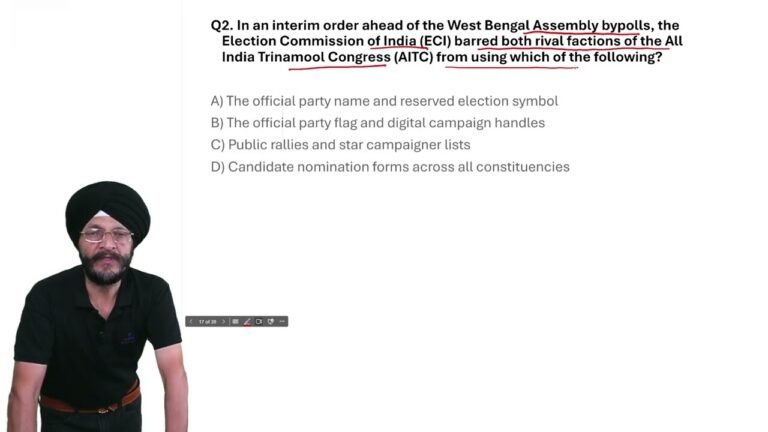
West Bengal Bypolls 2026: ECI Bans TMC Name & Symbol | Current Affairs MCQ
In today’s Current Affairs 2026 MCQ, we cover an important

Trump Warns EU Over Canada’s Associate Membership | Current Affairs MCQ 2026
In today’s Current Affairs 2026, we cover an important international