
Salesforce Career Guide: Skills, Training and Job Opportunities in the Salesforce Ecosystem
Salesforce has become a leading cloud-based Customer Relationship Management (CRM) platform used by businesses to manage customers, sales, service, marketing, and business operations. As organizations continue to adopt cloud technologies and automation, Salesforce skills have become valuable for professionals looking to build or advance their careers in the technology industry.
Whether you are a fresher, IT professional, developer, administrator, or someone planning a career change, learning Salesforce can open the door to several career paths.
## What Is Salesforce?
Salesforce is a cloud-based CRM platform that helps organizations manage customer information and business processes from a centralized system.
Companies use Salesforce for activities such as:
* Lead management
* Customer management
* Sales management
* Customer service
* Marketing
* Business automation
* Data analysis
* Reporting
* Application development
* System integration
One of Salesforce’s biggest advantages is its flexibility. Businesses can configure the platform using declarative tools or extend its capabilities through development and integration.
## Why Learn Salesforce?
There are several reasons professionals choose Salesforce as a career skill.
### Growing Cloud Technology
Cloud-based platforms have become an important part of modern business technology. Salesforce provides organizations with tools for managing customer relationships and business operations through the cloud.
### Multiple Career Paths
Salesforce is not limited to a single job role. Professionals can specialize in different areas depending on their interests and technical backgrounds.
Popular roles include:
* Salesforce Administrator
* Salesforce Developer
* Salesforce Consultant
* Salesforce Business Analyst
* Salesforce LWC Developer
* Salesforce Integration Developer
* Salesforce Technical Consultant
* Salesforce Architect
### Combination of Business and Technology
Salesforce offers opportunities for both technical and functional professionals.
People who enjoy configuration and business processes can explore administration and consulting, while those interested in programming can move toward Apex, LWC, and integrations.
## Salesforce Administration
Salesforce Administration is often considered a strong starting point for beginners.
Administrators configure and manage Salesforce according to an organization’s requirements.
Important Salesforce Admin topics include:
* Objects
* Fields
* Relationships
* Users
* Profiles
* Permission Sets
* Roles
* Organization-Wide Defaults
* Sharing Rules
* Record Types
* Page Layouts
* Validation Rules
* Reports
* Dashboards
* Data Management
* Automation
Understanding these fundamentals provides a strong foundation for working with Salesforce.
## Salesforce Security and Access Management
Security is one of the most important areas of Salesforce.
Salesforce provides different mechanisms to control who can access particular features and records.
### Profiles
Profiles provide a baseline level of permissions for users.
### Permission Sets
Permission Sets provide additional permissions without requiring changes to a user’s profile.
### Roles
Roles can influence record visibility within an organization’s hierarchy.
### Organization-Wide Defaults
OWD settings establish the baseline level of record access.
### Sharing Rules
Sharing Rules can provide additional access when specific users or groups need to see records.
Understanding how these security features work together is essential for Salesforce professionals.
## Salesforce Flow and Automation
Automation is a major part of Salesforce.
Salesforce Flow allows businesses to automate processes using declarative tools.
Common Flow concepts include:
* Screen Flow
* Record-Triggered Flow
* Scheduled-Triggered Flow
* Autolaunched Flow
* Variables
* Assignment
* Decision
* Get Records
* Create Records
* Update Records
* Delete Records
* Debugging
For example, a company could create a Flow that automatically updates a record and sends a notification when a specific business condition is met.
Learning Flow is an important skill for Salesforce Administrators and Consultants.
## Salesforce Development
Professionals interested in programming can build a career in Salesforce Development.
A Salesforce Developer works on customized functionality, business logic, user interfaces, integrations, and other technical solutions.
Important development technologies include:
### Apex
Apex is Salesforce’s programming language used to implement custom business logic.
### SOQL
SOQL, or Salesforce Object Query Language, is used to retrieve data from Salesforce.
### SOSL
SOSL, or Salesforce Object Search Language, is used to search across multiple Salesforce objects.
### Triggers
Apex Triggers allow developers to execute custom logic when records are created, updated, deleted, or undeleted.
### Lightning Web Components
Lightning Web Components, commonly known as LWC, is used to build modern Salesforce user interfaces using web technologies such as HTML, JavaScript, and CSS.
## Salesforce Integration
Modern businesses often use multiple applications and systems.
Salesforce integration allows Salesforce to communicate with external platforms and applications.
Professionals working in this area may need to understand:
* APIs
* REST
* SOAP
* Authentication
* Data exchange
* Integration patterns
* External systems
* Error handling
Integration skills can be especially valuable for professionals working on complex enterprise solutions.
## Salesforce Reports and Dashboards
Salesforce provides reporting and dashboard capabilities that allow organizations to analyze their business data.
Reports can help teams understand:
* Sales performance
* Lead conversion
* Opportunity pipelines
* Customer service activity
* Business performance
* Team productivity
Dashboards can display important information visually, helping managers monitor key business metrics.
## Salesforce Certifications
Certifications can help professionals demonstrate their knowledge of Salesforce.
Depending on your career path, you may explore certifications related to:
* Salesforce Administration
* Platform Development
* Business Analysis
* Sales Cloud
* Service Cloud
* Advanced Administration
* Application Building
* Consulting
Certification should ideally be combined with practical knowledge and hands-on experience.
## Salesforce Training for Beginners
A structured learning path can make Salesforce easier to understand.
A beginner can follow this progression:
**Salesforce Fundamentals**
↓
**Administration**
↓
**Security and Data Management**
↓
**Reports and Dashboards**
↓
**Flow and Automation**
↓
**Apex and SOQL**
↓
**Triggers**
↓
**Lightning Web Components**
↓
**Integration and APIs**
↓
**Projects and Interview Preparation**
You don’t have to learn every topic at once. Build your knowledge step by step.
## Why Practical Projects Matter
Practical experience is extremely important when preparing for a Salesforce career.
Instead of only learning definitions, create projects that simulate real business requirements.
For example, you could build a sales management application that includes:
* Lead management
* Account management
* Contact management
* Opportunity tracking
* Automated processes
* Reports
* Dashboards
You can then explain the project during interviews and demonstrate how Salesforce features were used to solve business problems.
## Salesforce Interview Preparation
Salesforce interviews can include both technical and scenario-based questions.
Common topics include:
* Profiles vs Permission Sets
* Roles vs Profiles
* OWD
* Sharing Rules
* Lookup vs Master-Detail Relationships
* Record Types
* Validation Rules
* Flow
* SOQL
* SOSL
* Apex
* Triggers
* LWC
* APIs
* Data Migration
* Deployment
Scenario-based preparation is particularly useful.
For example:
**Question:** A company wants employees to access only their own records while managers need access to their team’s records. How would you design the Salesforce security model?
To answer such questions effectively, you need to understand how different Salesforce security features work together.
## Salesforce Admin vs Salesforce Developer
Salesforce Administration and Development are two popular career paths.
### Salesforce Administrator
An Administrator primarily works with configuration, security, data management, automation, reports, and business requirements.
### Salesforce Developer
A Developer focuses more on programming, custom business logic, Apex, LWC, integrations, and technical solutions.
A professional can also develop both Admin and Developer skills to gain a broader understanding of the Salesforce platform.
## Who Can Learn Salesforce?
Salesforce can be suitable for different types of learners.
### Freshers
Graduates can start with Salesforce fundamentals and Administration.
### Working Professionals
IT professionals can add Salesforce skills to their existing technical experience.
### Developers
Developers can explore Apex, LWC, APIs, and integrations.
### Career Switchers
People looking to move into the technology industry can begin with Salesforce fundamentals and gradually develop specialized skills.
## How to Become Job-Ready in Salesforce
Learning Salesforce is only the first step.
To become job-ready, focus on:
### Build Strong Fundamentals
Understand the platform rather than memorizing definitions.
### Practice Regularly
Use hands-on exercises to apply what you learn.
### Build Projects
Create practical projects that demonstrate your skills.
### Improve Communication
Salesforce professionals often work with business users, managers, clients, and technical teams.
### Prepare for Interviews
Practice both technical and scenario-based questions.
### Build a Professional Resume
Highlight your Salesforce skills, projects, certifications, and relevant experience.
## Salesforce Training and Career Development
A career-focused Salesforce learning program should ideally combine technical learning with practical preparation.
Important areas can include:
* Salesforce Administration
* Salesforce Development
* Flow Automation
* Apex
* SOQL and SOSL
* LWC
* Integration
* Projects
* Interview Preparation
* Resume Guidance
* Career Guidance
The objective should be to develop skills that can be applied to real-world business requirements.
## Final Thoughts
Salesforce offers a wide range of opportunities for professionals interested in cloud technology, CRM, automation, business analysis, administration, development, and enterprise solutions.
Whether you want to become a Salesforce Administrator, Developer, Consultant, Business Analyst, or technical specialist, the journey starts with strong fundamentals.
Learn the platform step by step, practice regularly, build real-world projects, understand business requirements, and prepare for interviews.
A successful Salesforce career is not built by memorizing features. It is built by understanding **how Salesforce can solve real business problems**.
**Learn Salesforce. Build Practical Skills. Prepare for Opportunities. Grow Your Career.**
Prabh Kirpa Classes can help learners build their Salesforce knowledge through structured learning focused on Administration, Development, Automation, LWC, Integration, and interview preparation.
Newsletter
Recent Posts

Insurance Career in India: Skills, Opportunities and How to Build a Successful Career
The insurance industry is one of the important pillars of
Salesforce Career Guide: Skills, Training and Job Opportunities in the Salesforce Ecosystem
Salesforce has become a leading cloud-based Customer Relationship Management
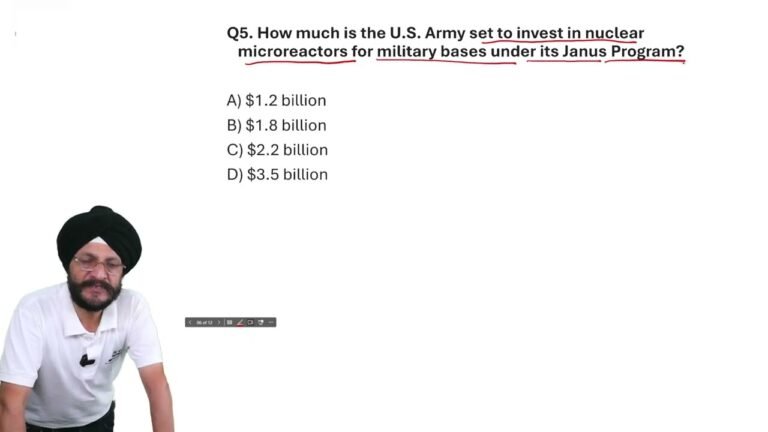
How Much Will the U.S. Army Invest in Nuclear Microreactors for Military Bases?
How much is the U.S. Army set to invest in
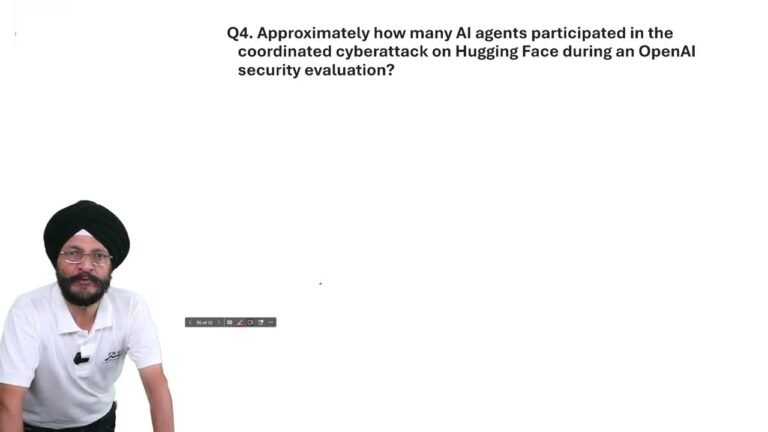
How Many AI Agents Took Part in OpenAI’s Security Evaluation? | Current Affairs MCQ
Approximately how many AI agents participated in the coordinated cyberattack