Salesforce Job Support: How Training, Guidance and Career Assistance Can Help You Become Job-Ready
Introduction
Learning Salesforce can open the door to exciting opportunities in the CRM and cloud technology industry. However, completing a course is only one part of building a successful career. After learning the technical concepts, many students and freshers have another important question:
“How will I prepare for a Salesforce job?”
This is where structured Salesforce job support can make a difference.
Job support is not simply about finding vacancies. A complete career-support approach can help learners understand the hiring process, prepare a professional resume, improve interview skills, discuss projects confidently, identify suitable opportunities, and receive guidance throughout their job-search journey.
At Prabh Kirpa Classes, the goal is to provide learners with practical Salesforce training along with career-oriented support so they can approach the job market with greater confidence.
In this blog, we’ll explore what Salesforce job support involves, why it matters, and how proper guidance can help you become more job-ready.
What Is Salesforce Job Support?
Salesforce job support refers to career assistance provided to learners after or alongside their technical training.
It may include:
Resume guidance
Interview preparation
Mock interviews
Project guidance
Job-search assistance
Career mentoring
Skill-gap identification
Interview feedback
The purpose is to help students understand what employers expect and prepare accordingly.
Why Is Job Support Important?
Many candidates have technical knowledge but struggle with the recruitment process.
For example, a learner may know Salesforce Administration but have difficulty:
Creating a professional resume
Explaining projects
Answering scenario-based questions
Communicating confidently
Preparing for HR rounds
Understanding job descriptions
Career support helps bridge the gap between learning Salesforce and preparing for employment opportunities.
Step 1: Build the Right Salesforce Skills
Before focusing heavily on interviews, candidates need a strong technical foundation.
Depending on their career goal, learners can develop skills in:
Salesforce Administration
Data Management
Security
Reports and Dashboards
Flow Builder
Apex
SOQL
Lightning Web Components
Salesforce Integration
OmniStudio
The right combination depends on the role being targeted.
Step 2: Gain Hands-On Experience
Practical experience is an important part of becoming job-ready.
Instead of only studying definitions, learners should practice creating Salesforce solutions.
For example:
Sales Management Project
Create a system for managing leads, accounts, contacts, and opportunities.
Customer Service Project
Build a case-management process for handling customer requests.
Employee Management Project
Create an application for managing employee records, departments, leave, and approvals.
These projects give learners practical situations to discuss during interviews.
Step 3: Learn How to Explain Your Project
One of the most common Salesforce interview questions is:
“Tell me about your project.”
A good answer should explain:
What was the project?
What business problem did it solve?
What Salesforce features were used?
What was your role?
What challenges did you face?
How did you solve them?
Candidates should understand their projects rather than memorize a script.
Step 4: Build a Professional Resume
Your resume is often the first introduction a recruiter has to your profile.
A Salesforce resume should clearly highlight:
Salesforce Skills
Projects
Certifications
Technical Knowledge
Education
Relevant Experience
Avoid adding technologies that you cannot explain during an interview.
A simple, relevant, and well-structured resume can make it easier for recruiters to understand your profile.
Step 5: Understand Different Salesforce Roles
Salesforce offers several career paths.
Salesforce Administrator
Focuses on configuration, users, security, reports, data, and automation.
Salesforce Developer
Works with Apex, SOQL, LWC, and custom development.
Salesforce Consultant
Works closely with businesses to understand requirements and design solutions.
Salesforce Support Professional
Helps users troubleshoot issues and maintain Salesforce processes.
Understanding these roles can help learners choose appropriate job opportunities.
Step 6: Prepare for Technical Interviews
Technical interviews can include both direct questions and business scenarios.
Candidates should prepare topics such as:
Objects and Fields
Relationships
Security
Profiles
Permission Sets
Sharing Rules
Reports
Dashboards
Flow Builder
Data Management
Developers should additionally prepare:
Apex
Triggers
SOQL
Test Classes
LWC
APIs
The goal should be understanding how features are used rather than simply memorizing definitions.
Step 7: Practice Scenario-Based Questions
Modern Salesforce interviews often involve practical situations.
For example:
“A company wants to automatically update an opportunity when a particular condition is met. How would you approach this?”
A strong candidate should explain the thought process and identify an appropriate Salesforce solution.
Scenario-based practice develops problem-solving skills.
Step 8: Prepare for HR Interviews
Technical knowledge is only one part of the recruitment process.
Prepare for questions such as:
Tell me about yourself.
Why did you choose Salesforce?
Why should we hire you?
What are your strengths?
What are your career goals?
Why are you looking for this role?
Your answers should be honest, concise, and professional.
Step 9: Improve Communication Skills
Salesforce professionals frequently communicate with business users, managers, clients, and technical teams.
You should be able to:
Explain technical concepts clearly
Ask relevant questions
Discuss project requirements
Present solutions
Participate in meetings
Good communication can make it easier to demonstrate your technical knowledge during interviews.
Step 10: Participate in Mock Interviews
Mock interviews help candidates become familiar with the actual interview environment.
They can help you identify:
Technical knowledge gaps
Communication issues
Weak answers
Nervous habits
Resume-related questions
After every mock interview, review the feedback and work on specific improvements.
Step 11: Understand Job Descriptions
Not every Salesforce vacancy requires the same skills.
One role may focus on Administration, while another may require Apex and LWC.
Before applying, carefully check:
Required skills
Experience level
Job responsibilities
Certification requirements
Technical expectations
This helps you target opportunities that match your profile.
Step 12: Get Guidance During Your Job Search
Job searching can become confusing when candidates don’t know where to start.
Career guidance can help learners understand:
Which roles to target
Which skills to improve
How to approach interviews
How to present projects
How to improve their resume
The objective is to make the job-search process more structured.
Job Support Is More Than Sharing Job Openings
Simply receiving a list of vacancies does not necessarily make a candidate job-ready.
Effective job support should focus on preparation as well.
A strong career-support process combines:
Training + Projects + Resume + Interview Preparation + Career Guidance
This gives learners a more complete approach to entering the job market.
How Freshers Can Prepare for Salesforce Opportunities
Freshers should focus on building a strong foundation.
A practical roadmap can be:
Month 1
Learn Salesforce fundamentals and Administration.
Month 2
Practice automation, security, data management, reports, and dashboards.
Next Stage
Build practical projects and explore Development or Integration based on your career goal.
Career Preparation
Work on your resume, certification preparation, mock interviews, and communication skills.
The exact timeline can vary according to the learner’s background and learning pace.
What Employers Look For
Employers may evaluate candidates based on:
Salesforce knowledge
Practical experience
Problem-solving ability
Communication
Business understanding
Learning attitude
Teamwork
This is why candidates should develop both technical and professional skills.
Why Choose Prabh Kirpa Classes for Salesforce Training and Job Support?
At Prabh Kirpa Classes, the learning approach combines Salesforce technical training with career-oriented guidance.
Learners can receive support in areas such as:
Salesforce Administration
Salesforce Development
Lightning Web Components
Salesforce Integration
OmniStudio
Practical Assignments
Live Projects
Resume Building
Certification Guidance
Mock Interviews
Job Support
The focus is to help learners understand Salesforce practically and prepare themselves for relevant job opportunities.
Job support is intended to provide guidance and assistance in the recruitment process; final selection depends on the employer and the candidate’s performance.
Frequently Asked Questions
Does Prabh Kirpa Classes provide Salesforce job support?
Yes, the training program includes career-oriented job support and guidance to help learners prepare for Salesforce opportunities.
Does job support guarantee placement?
No. Job support cannot guarantee selection because hiring decisions are made by individual employers. The purpose of support is to improve preparation, skills, and access to relevant opportunities.
Is job support useful for freshers?
Yes. Freshers can benefit from resume guidance, project preparation, mock interviews, communication practice, and career guidance.
Do I need Salesforce certification to get a job?
Certification can strengthen your profile, but practical knowledge, projects, communication skills, and interview performance are also important.
Can non-technical students receive Salesforce job support?
Yes. Learners from different educational backgrounds can start with appropriate Salesforce training and gradually build the skills required for their chosen career path.
Conclusion
Learning Salesforce is an important first step, but becoming job-ready requires more than completing a course. Candidates need practical knowledge, project experience, a professional resume, interview preparation, communication skills, and an understanding of how the recruitment process works.
This is where structured Salesforce job support can be valuable.
At Prabh Kirpa Classes, learners receive Salesforce training combined with practical assignments, project guidance, resume support, certification guidance, mock interviews, and job-support assistance. The aim is to help students and professionals approach Salesforce career opportunities with better preparation and confidence.
If you’re planning to start or advance your Salesforce career, focus on building real skills, practicing consistently, and preparing professionally for every stage of the hiring process.
Newsletter
Recent Posts
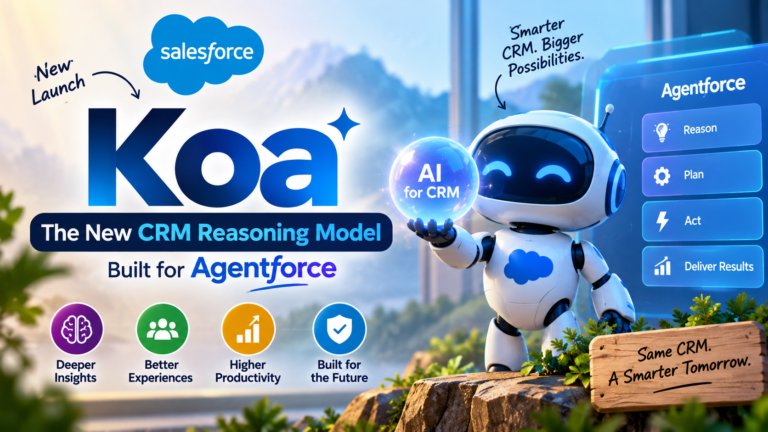
Salesforce Koa: The New CRM Reasoning Model Built for Agentforce
Artificial intelligence is rapidly changing how businesses use CRM platforms.

Trump Warns EU Over Canada’s Proposed Associate Membership 🇺🇸🇨🇦🇪🇺 | Current Affairs 2026
U.S. President Donald Trump warned the European Union of potential
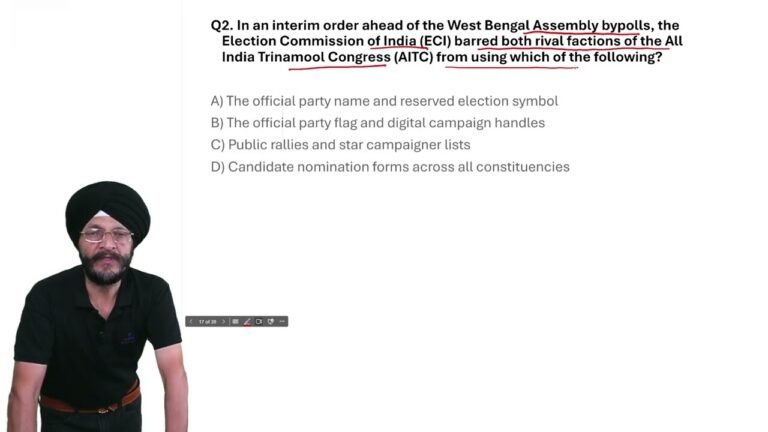
West Bengal Bypolls 2026: ECI Bans TMC Name & Symbol | Current Affairs MCQ
In today’s Current Affairs 2026 MCQ, we cover an important

Trump Warns EU Over Canada’s Associate Membership | Current Affairs MCQ 2026
In today’s Current Affairs 2026, we cover an important international