
Salesforce Training and Placement: Build a Job-Ready Career in Salesforce
# Salesforce Training and Placement: Build a Job-Ready Career in Salesforce
Salesforce has emerged as one of the most widely used CRM platforms, creating career opportunities across administration, development, consulting, business analysis, and cloud technology. For students, freshers, and working professionals looking to enter the IT industry, **Salesforce training with placement support** can be a practical way to develop industry-relevant skills and prepare for job opportunities.
However, getting a Salesforce job requires more than simply learning the platform. Candidates need strong fundamentals, hands-on project experience, practical problem-solving skills, and effective interview preparation.
This blog explains how Salesforce training can help you become job-ready and what you should learn to build a successful Salesforce career.
## Why Choose Salesforce as a Career?
Salesforce combines technology with business processes. Professionals working with Salesforce help organizations manage customers, sales operations, service processes, marketing activities, automation, and business data.
A Salesforce career can be attractive because there are multiple professional paths, including:
* Salesforce Administrator
* Salesforce Developer
* Salesforce Consultant
* Salesforce Business Analyst
* Salesforce LWC Developer
* Salesforce Integration Developer
* Salesforce Technical Consultant
This means candidates can choose a path according to their technical background and career goals.
## What Does Salesforce Training Include?
A comprehensive Salesforce training program should cover both **theoretical concepts and practical implementation**.
### Salesforce Administration
Beginners can start with Salesforce Administration and learn:
* Salesforce CRM fundamentals
* Objects and Fields
* Standard and Custom Objects
* Relationships
* Users and Profiles
* Permission Sets
* Roles
* Organization-Wide Defaults
* Sharing Rules
* Record Types
* Page Layouts
* Validation Rules
* Reports
* Dashboards
* Data Management
* Audit Trail
These concepts provide the foundation required to work as a Salesforce Administrator.
## Salesforce Flow and Automation
Automation is an important skill for modern Salesforce professionals.
Candidates should understand:
* Screen Flow
* Record-Triggered Flow
* Scheduled Flow
* Autolaunched Flow
* Variables
* Assignment
* Decision
* Get Records
* Create Records
* Update Records
* Debugging
Practical Flow exercises help candidates understand how businesses automate repetitive processes.
## Salesforce Development
Candidates interested in programming can progress toward Salesforce Development.
Important topics include:
### Apex
Apex is used to implement custom business logic on the Salesforce platform.
### SOQL
Salesforce Object Query Language is used to retrieve Salesforce records.
### SOSL
Salesforce Object Search Language enables searches across multiple objects.
### Triggers
Triggers allow developers to execute custom logic when Salesforce records are inserted, updated, deleted, or undeleted.
### Lightning Web Components
LWC is used to create modern and interactive Salesforce user interfaces using web technologies such as HTML, JavaScript, and CSS.
### Integration
Salesforce professionals can also learn how Salesforce communicates with external systems through APIs and integration technologies.
—
# Why Hands-On Training Matters for Placement
One of the biggest differences between learning Salesforce and becoming **job-ready** is practical experience.
Simply watching tutorials may help you understand definitions, but employers often expect candidates to explain how they would solve real business problems.
For example:
**Business Requirement:**
Whenever an Opportunity reaches a particular stage, the system should automatically notify the appropriate manager.
A job-ready candidate should be able to explain how they would approach this requirement using Salesforce automation.
Practical projects help candidates develop this type of problem-solving ability.
—
# Salesforce Projects for Job Preparation
A good training program should include practical projects.
Some project ideas include:
### Sales Management System
Create a Salesforce application for managing:
* Leads
* Accounts
* Contacts
* Opportunities
* Sales activities
* Reports
* Dashboards
### Customer Service System
Build a customer service solution using:
* Cases
* Case assignment
* Email notifications
* Automation
* Reports
* Service dashboards
### Automated Lead Management
Create automation that:
1. Captures a new lead
2. Assigns the lead
3. Sends an automated notification
4. Updates relevant fields
5. Tracks lead status
Projects like these help candidates demonstrate their skills during interviews.
—
# Salesforce Interview Preparation
Placement preparation should include dedicated interview practice.
Candidates may face questions about:
* Profiles vs Permission Sets
* Roles vs Profiles
* OWD
* Sharing Rules
* Lookup vs Master-Detail Relationships
* Record Types
* Validation Rules
* Flow
* SOQL
* SOSL
* Apex
* Triggers
* LWC
* APIs
* Data Migration
* Deployment
But interview preparation shouldn’t stop at definitions.
Candidates should also practice **scenario-based questions**.
For example:
> A company wants users to access only their own records while managers need access to their team’s records. How would you design the Salesforce security model?
Questions like this test whether the candidate understands how Salesforce works in a real organization.
—
# Salesforce Training With Placement Support
Placement support can help candidates transition from training to employment.
A strong placement-oriented program may include:
* Resume preparation
* LinkedIn profile guidance
* Mock interviews
* Technical interview preparation
* HR interview preparation
* Scenario-based questions
* Project discussions
* Job application guidance
* Interview scheduling support
* Career guidance
The objective should be to make candidates **confident and job-ready**, rather than simply completing a syllabus.
—
# Who Can Learn Salesforce?
Salesforce can be explored by different types of learners, including:
### Freshers
Graduates who want to enter the IT industry can begin with Salesforce fundamentals and Administration.
### IT Professionals
Professionals from other technologies can use Salesforce to expand their skill set or move toward CRM and cloud-based roles.
### Non-Technical Graduates
Those without a programming background can consider starting with Salesforce Administration before deciding whether to move toward development.
### Developers
Existing programmers can explore Apex, LWC, APIs, integrations, and advanced Salesforce development.
—
# Salesforce Admin + Developer Career Path
A combined Admin and Developer skill set can provide a broader understanding of the Salesforce ecosystem.
A possible learning path is:
**Salesforce Fundamentals**
↓
**Administration**
↓
**Security & Data Management**
↓
**Reports & Dashboards**
↓
**Flow & Automation**
↓
**Apex & SOQL**
↓
**Triggers**
↓
**Lightning Web Components**
↓
**Integration & APIs**
↓
**Projects & Interview Preparation**
This structured approach helps learners gradually move from fundamentals to advanced concepts.
—
# How to Improve Your Chances of Getting a Salesforce Job
Learning Salesforce is only one part of the placement journey.
To improve your chances:
### 1. Build Practical Projects
Be prepared to explain what you built and why you selected a particular Salesforce solution.
### 2. Understand Concepts Deeply
Don’t memorize answers. Understand how Salesforce features work together.
### 3. Practice Scenarios
Scenario-based questions are particularly useful for interviews.
### 4. Create a Strong Resume
Highlight Salesforce skills, certifications, projects, tools, and practical experience.
### 5. Improve Communication Skills
Salesforce professionals often interact with clients, managers, analysts, and development teams, making communication an important professional skill.
### 6. Practice Mock Interviews
Mock interviews can help identify knowledge gaps and improve confidence.
—
# Start Your Salesforce Career With the Right Skills
A successful Salesforce career is built through continuous learning and practical experience. Whether your goal is to become an **Administrator, Developer, Consultant, or Salesforce Technical Professional**, having a structured learning path can make the journey easier.
Salesforce training combined with hands-on projects, interview preparation, resume guidance, and placement support can help candidates move closer to their career goals.
The most important step is to start learning, practice consistently, build projects, and prepare specifically for the role you want.
**Your Salesforce career can start with one skill, one project, and one opportunity.**
Newsletter
Recent Posts
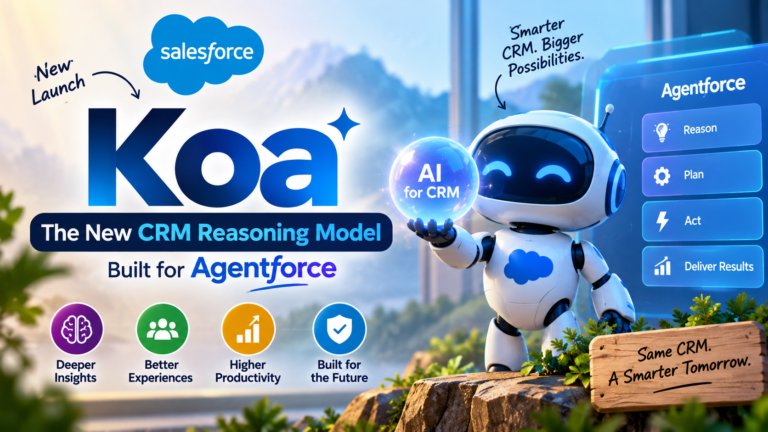
Salesforce Koa: The New CRM Reasoning Model Built for Agentforce
Artificial intelligence is rapidly changing how businesses use CRM platforms.

Trump Warns EU Over Canada’s Proposed Associate Membership 🇺🇸🇨🇦🇪🇺 | Current Affairs 2026
U.S. President Donald Trump warned the European Union of potential
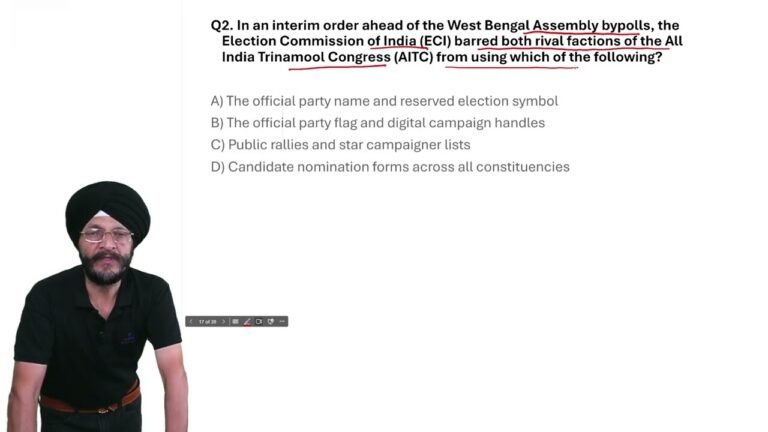
West Bengal Bypolls 2026: ECI Bans TMC Name & Symbol | Current Affairs MCQ
In today’s Current Affairs 2026 MCQ, we cover an important

Trump Warns EU Over Canada’s Associate Membership | Current Affairs MCQ 2026
In today’s Current Affairs 2026, we cover an important international