Salesforce Training Roadmap for Beginners: Step-by-Step Guide to Become a Salesforce Professional in 2026
## Introduction
Salesforce has become one of the most popular cloud technologies in the world. From startups to multinational companies, organizations use Salesforce to manage customer relationships, automate business processes, and improve productivity. Because of its growing adoption, skilled Salesforce professionals are in demand across industries.
If you’re planning to build a career in Salesforce, you may be wondering where to begin. Should you start with Administration? Is coding necessary? When should you learn Apex, Lightning Web Components (LWC), or Integration? Which certification should you take first?
Without a proper roadmap, many learners spend months watching random tutorials and still feel confused. A structured learning plan helps you build knowledge step by step and prepares you for real-world projects and interviews.
This guide outlines a complete Salesforce training roadmap for beginners in 2026.
—
# Step 1: Understand the Basics of Salesforce
Before learning technical concepts, it’s important to understand what Salesforce is and why businesses use it.
Start with:
* What is CRM?
* What is Cloud Computing?
* Salesforce Ecosystem
* Salesforce Editions
* Navigation and Setup
* App Launcher
A strong foundation makes advanced topics easier to understand.
—
# Step 2: Learn Salesforce Administration
Salesforce Administration is the best starting point for beginners.
Key topics include:
* Standard Objects
* Custom Objects
* Fields
* Page Layouts
* Record Types
* Validation Rules
* Reports
* Dashboards
* List Views
These skills are used in almost every Salesforce implementation.
—
# Step 3: Understand Security
Security is one of the most important parts of Salesforce.
Learn about:
* Profiles
* Permission Sets
* Roles
* Sharing Rules
* Organization-Wide Defaults (OWD)
* Field-Level Security
Companies rely on these features to protect business data.
—
# Step 4: Learn Data Management
Businesses manage thousands of customer records every day.
Important topics include:
* Data Import Wizard
* Data Loader
* Duplicate Management
* Data Validation
* Exporting Data
Understanding data management is essential for Salesforce Administrators.
—
# Step 5: Master Flow Builder
Flow Builder is the preferred automation tool in Salesforce.
Learn to create:
* Screen Flows
* Record-Triggered Flows
* Scheduled Flows
* Auto-Launched Flows
Automation skills are highly valued by employers.
—
# Step 6: Build Practical Projects
Apply your knowledge by building projects such as:
* Employee Management System
* Student Management Portal
* Lead Tracking Application
* Customer Support Portal
* Sales Dashboard
Projects help you understand how Salesforce is used in real businesses.
—
# Step 7: Learn Apex Programming
If you’re interested in development, start learning Apex.
Topics include:
* Variables
* Data Types
* Classes
* Methods
* Loops
* Collections
* Exception Handling
Apex is the programming language used in Salesforce.
—
# Step 8: Learn SOQL and SOSL
Data retrieval is an important skill for developers.
Practice:
* Basic Queries
* Relationship Queries
* Aggregate Functions
* Query Optimization
Efficient queries improve application performance.
—
# Step 9: Learn Lightning Web Components (LWC)
Modern Salesforce applications use Lightning Web Components.
Study:
* HTML
* JavaScript
* CSS Basics
* Components
* Events
* Apex Integration
LWC enables you to build responsive and interactive user interfaces.
—
# Step 10: Learn Salesforce Integration
Most companies connect Salesforce with other systems.
Understand:
* REST APIs
* SOAP APIs
* OAuth
* JSON
* API Testing
Integration knowledge is valuable for enterprise projects.
—
# Step 11: Prepare for Salesforce Certification
Once you have practical knowledge, prepare for certifications such as:
* Salesforce Certified Administrator
* Salesforce Platform App Builder
* Salesforce Platform Developer I
Certifications help validate your skills and improve your professional profile.
—
# Step 12: Build a Strong Resume
Your resume should highlight:
* Salesforce Skills
* Live Projects
* Certifications
* Technical Knowledge
* Problem-Solving Experience
Keep your resume clear, professional, and focused on practical work.
—
# Step 13: Practice Mock Interviews
Interview preparation is essential.
Practice answering questions about:
* Salesforce Administration
* Flow Builder
* Apex
* LWC
* Projects
* Business Scenarios
Mock interviews improve confidence and communication.
—
# Step 14: Stay Updated
Salesforce releases new features three times a year.
Follow updates related to:
* Agentforce
* Data Cloud
* AI Features
* Hyperforce
* Industry Clouds
Continuous learning helps you remain competitive.
—
# Common Mistakes Beginners Should Avoid
Avoid these mistakes:
* Learning without a roadmap
* Ignoring practical projects
* Skipping Flow Builder
* Not preparing for interviews
* Depending only on theory
* Avoiding certifications
A structured approach saves time and improves results.
—
# Career Opportunities
After following this roadmap, you can apply for roles such as:
* Salesforce Administrator
* Junior Salesforce Developer
* Salesforce Support Executive
* CRM Executive
* Salesforce Consultant
* Business Analyst
With experience, you can grow into senior technical and leadership positions.
—
# Why Choose Prabh Kirpa Classes?
Prabh Kirpa Classes provides a complete Salesforce learning path for beginners.
Students receive:
* Salesforce Administration Training
* Salesforce Development
* Lightning Web Components
* Salesforce Integration
* OmniStudio Training
* Live Projects
* Assignment Support
* Certification Guidance
* Resume Building
* Mock Interviews
* Job Support
The curriculum is designed to help learners become industry-ready through practical learning and career-focused guidance.
—
# Frequently Asked Questions
### Can I learn Salesforce without coding?
Yes. Salesforce Administration is an excellent starting point and does not require programming knowledge.
### How long does it take to become job-ready?
The timeline depends on your learning pace, but consistent study combined with practical projects and interview preparation can help you build job-ready skills.
### Should I complete Administration before Development?
Yes. A strong understanding of Salesforce Administration makes learning development concepts much easier.
### Are live projects important?
Yes. Projects help you apply your knowledge, strengthen your resume, and discuss real-world scenarios during interviews.
—
# Conclusion
A successful Salesforce career begins with a clear roadmap. By learning Salesforce Administration, mastering automation, building practical projects, exploring development, and preparing for certifications, you can build a strong foundation for long-term success.
Remember that becoming a Salesforce professional is not just about completing a course—it’s about continuously improving your skills, solving real business problems, and staying updated with new technologies.
At **Prabh Kirpa Classes**, learners receive structured training, hands-on project experience, expert mentorship, certification guidance, and career support to confidently begin their journey in the Salesforce ecosystem.
Newsletter
Recent Posts

🚀 SpaceX Starship | Important Space Current Affairs MCQ
🚀 SpaceX Starship | Important Space Current Affairs MCQ
Which
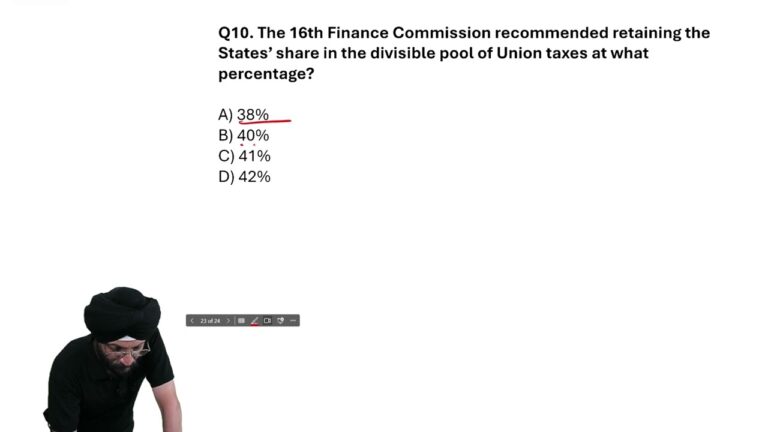
16th Finance Commission BIG Update 🚨 States’ Share at 41% | Current Affairs MCQ
🚨 **16th Finance Commission | Important Current Affairs MCQ**
What
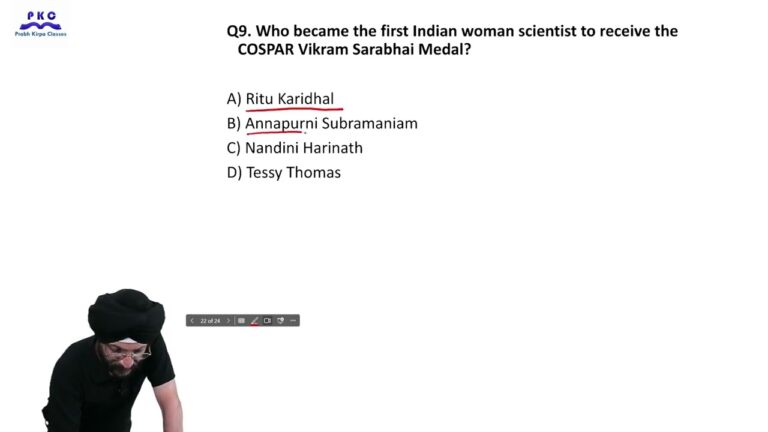
Vikram Sarabhai Medal 🚀 Who Won This Prestigious COSPAR Award? | Current Affairs MCQ
🚀 **COSPAR Vikram Sarabhai Medal | Important Current Affairs MCQ**
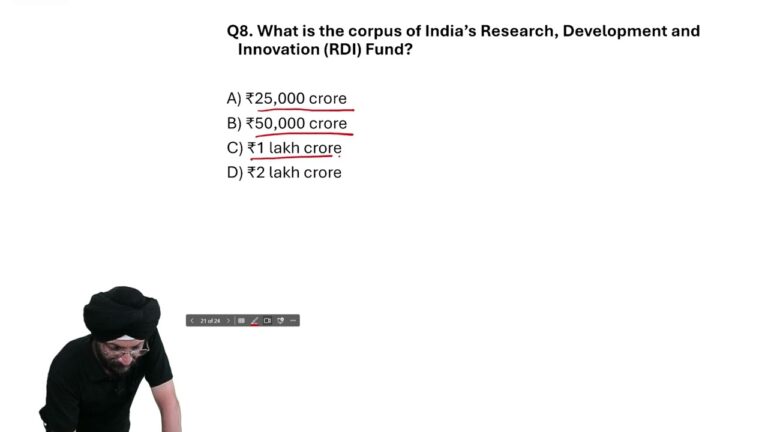
RDI Fund ₹1 Lakh Crore 🚨 India’s BIG Innovation Fund | Current Affairs MCQ
🚨 **RDI Fund ₹1 Lakh Crore | Important Current Affairs