Salesforce Training with Placement Assistance: How to Prepare for Your First Salesforce Job
## Introduction
Salesforce has become one of the fastest-growing technologies in the IT industry. Organizations across banking, healthcare, retail, education, manufacturing, finance, and technology use Salesforce to manage customer relationships, automate business processes, and improve productivity.
As the Salesforce ecosystem continues to expand, companies are looking for professionals who can contribute from day one. However, many students complete technical courses but struggle during interviews because they lack practical experience, project exposure, and confidence.
This is where **Salesforce training with placement assistance** becomes valuable. Placement assistance is not just about helping students apply for jobs—it focuses on preparing them for the complete recruitment process by developing technical knowledge, practical skills, communication abilities, and interview confidence.
At **Prabh Kirpa Classes**, students receive industry-oriented Salesforce training supported by live projects, certification guidance, resume preparation, mock interviews, and career mentoring to help them become job-ready.
—
# Why Salesforce is a Great Career Choice
Salesforce is the world’s leading Customer Relationship Management (CRM) platform.
Businesses use Salesforce to:
* Manage customer information
* Automate sales processes
* Improve customer service
* Generate reports and dashboards
* Build custom business applications
* Integrate multiple business systems
As companies continue investing in cloud technology, the demand for Salesforce professionals continues to increase.
—
# What Does Placement Assistance Mean?
Placement assistance is a structured career preparation process that helps learners transition from training to employment.
It typically includes:
* Career guidance
* Resume preparation
* LinkedIn profile optimization
* Technical interview preparation
* HR interview preparation
* Mock interviews
* Project guidance
* Certification planning
The objective is to improve employability and help students confidently participate in recruitment processes.
—
# Why Practical Training Matters
Recruiters usually ask candidates about practical scenarios rather than theoretical definitions.
Students who work on projects gain experience in:
* Business process understanding
* Problem-solving
* Application customization
* Automation
* Data management
Practical learning builds confidence and prepares students for real project environments.
—
# Salesforce Administration Skills
A strong foundation begins with Salesforce Administration.
Students learn:
* CRM Fundamentals
* Standard Objects
* Custom Objects
* Fields
* Page Layouts
* Record Types
* Validation Rules
* Reports
* Dashboards
These skills form the core of many Salesforce Administrator roles.
—
# Salesforce Automation
Automation is one of the most important features of Salesforce.
Training includes:
* Flow Builder
* Record-Triggered Flows
* Screen Flows
* Scheduled Flows
* Approval Processes
Automation helps businesses reduce manual work and improve efficiency.
—
# Salesforce Development
Students interested in technical roles learn:
* Apex Programming
* SOQL
* Apex Triggers
* Exception Handling
* Test Classes
Development knowledge prepares learners for advanced Salesforce projects.
—
# Lightning Web Components (LWC)
Modern Salesforce applications are built using Lightning Web Components.
Training covers:
* HTML
* JavaScript
* Component Development
* Events
* Data Binding
* Apex Integration
LWC is one of the most in-demand skills for Salesforce Developers.
—
# Salesforce Integration
Most organizations connect Salesforce with other business applications.
Students learn:
* REST APIs
* SOAP APIs
* OAuth Authentication
* API Testing
* Postman
Integration knowledge broadens career opportunities.
—
# Live Projects That Build Confidence
Hands-on practice is an important part of becoming job-ready.
Students may build projects such as:
* Employee Management System
* Student Management Portal
* Lead Management Application
* Sales Automation Solution
* Customer Service Application
Projects help learners understand how Salesforce is used in real business environments.
—
# Resume Preparation
A professional resume increases your chances of getting shortlisted.
Career guidance includes:
* Professional resume writing
* Highlighting Salesforce projects
* Presenting technical skills
* Showcasing certifications
* Writing an effective professional summary
A well-structured resume creates a strong first impression.
—
# Interview Preparation
Technical knowledge is only one part of interview success.
Students also practice:
* Self-introduction
* HR interview questions
* Salesforce scenario-based questions
* Communication skills
* Mock interviews
Mock interviews help students improve confidence and identify areas for improvement.
—
# Salesforce Certifications
Certification strengthens your professional profile.
Popular certifications include:
* Salesforce Certified Administrator
* Salesforce Platform App Builder
* Salesforce Platform Developer I
Certification guidance helps students prepare with a structured learning approach.
—
# Skills Recruiters Commonly Look For
Employers typically value candidates who can demonstrate:
* Practical Salesforce knowledge
* Analytical thinking
* Business understanding
* Communication skills
* Problem-solving ability
* Team collaboration
* Continuous learning mindset
Developing these skills improves long-term career growth.
—
# Career Opportunities After Salesforce Training
After completing Salesforce training, learners may apply for roles such as:
* Salesforce Administrator
* Junior Salesforce Developer
* Salesforce Consultant
* CRM Executive
* Salesforce Business Analyst
* Salesforce Support Engineer
* Integration Developer
The exact role depends on your skills, experience, interview performance, and employer requirements.
—
# Why Choose Prabh Kirpa Classes?
Prabh Kirpa Classes focuses on practical, career-oriented Salesforce learning.
Students benefit from:
* Salesforce Administration Training
* Salesforce Development
* Lightning Web Components
* Salesforce Integration
* OmniStudio Training
* Practical Assignments
* Live Projects
* Certification Guidance
* Resume Preparation
* Mock Interviews
* Placement Assistance
The training is designed to help learners build practical knowledge and prepare confidently for Salesforce careers.
—
# Tips to Increase Your Chances of Getting Hired
Follow these steps:
* Practice Salesforce daily.
* Build at least three practical projects.
* Prepare for Administrator interview questions.
* Improve communication skills.
* Keep your resume updated.
* Learn new Salesforce releases and features.
* Earn relevant certifications.
* Participate in mock interviews.
Consistent preparation can improve your interview performance and professional confidence.
—
# Future Scope of Salesforce Careers
Salesforce continues to introduce new technologies such as:
* Agentforce
* Data Cloud
* Artificial Intelligence
* Industry Clouds
* Hyperautomation
Professionals who continue learning and adapting to new technologies will remain valuable in the Salesforce ecosystem.
—
# Conclusion
A successful Salesforce career requires more than completing a course. Employers look for professionals who combine technical knowledge with practical experience, communication skills, and the ability to solve real business problems.
Salesforce training with placement assistance helps learners prepare for interviews, strengthen their resumes, develop practical skills, and understand industry expectations. With consistent learning, project experience, and career preparation, students can build a strong foundation for long-term success.
At **Prabh Kirpa Classes**, the focus is on helping learners become industry-ready through practical training, expert mentorship, certification guidance, interview preparation, and placement assistance—so they can confidently take the next step toward a rewarding Salesforce career.
Newsletter
Recent Posts

🚀 SpaceX Starship | Important Space Current Affairs MCQ
🚀 SpaceX Starship | Important Space Current Affairs MCQ
Which
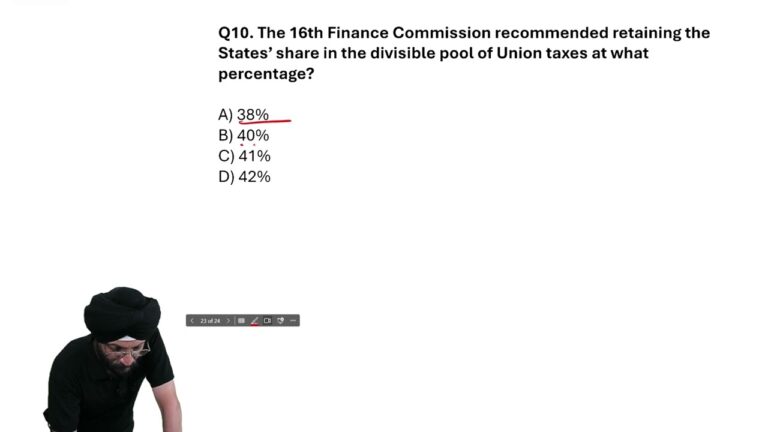
16th Finance Commission BIG Update 🚨 States’ Share at 41% | Current Affairs MCQ
🚨 **16th Finance Commission | Important Current Affairs MCQ**
What
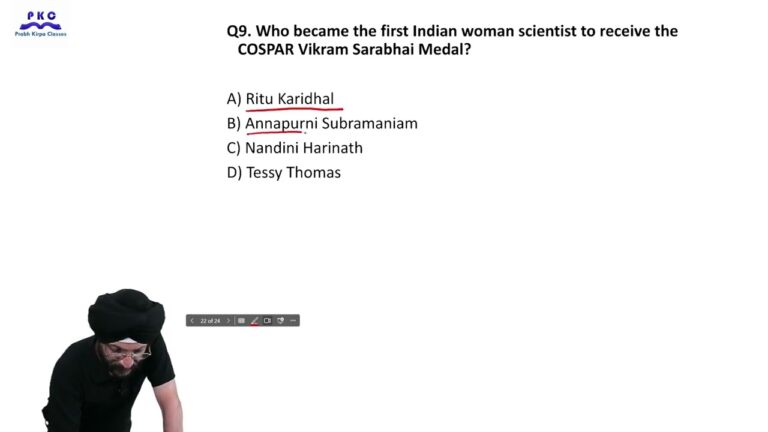
Vikram Sarabhai Medal 🚀 Who Won This Prestigious COSPAR Award? | Current Affairs MCQ
🚀 **COSPAR Vikram Sarabhai Medal | Important Current Affairs MCQ**
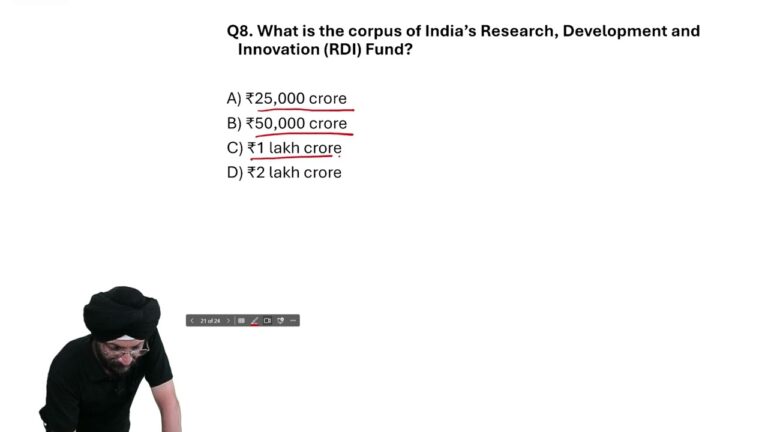
RDI Fund ₹1 Lakh Crore 🚨 India’s BIG Innovation Fund | Current Affairs MCQ
🚨 **RDI Fund ₹1 Lakh Crore | Important Current Affairs