
Why Salesforce is the Best Career Option in 2026 – Training & Certification Guide
Introduction
The technology industry is evolving rapidly, creating new career opportunities for professionals who possess in-demand skills. Among the various technology platforms available today, Salesforce has emerged as one of the most promising career choices for students, freshers, and working professionals. As the world’s leading Customer Relationship Management (CRM) platform, Salesforce powers businesses across industries, helping them manage customer relationships, automate workflows, and improve business performance.
With digital transformation accelerating worldwide, organizations are investing heavily in cloud technologies. This growing adoption has created a strong demand for Salesforce Administrators, Developers, Consultants, Business Analysts, Architects, and Integration Specialists. As a result, Salesforce careers continue to offer excellent job opportunities, competitive salaries, and long-term growth prospects.
If you are looking for a future-proof career in technology, Salesforce could be the perfect choice. This guide explores why Salesforce is the best career option in 2026, the skills you need, available certifications, and how proper training can help you build a successful Salesforce career.
What is Salesforce?
Salesforce is a cloud-based Customer Relationship Management (CRM) platform that helps organizations manage customer interactions, sales processes, marketing activities, customer support, and business operations.
Unlike traditional software solutions, Salesforce operates entirely on the cloud, allowing users to access data securely from anywhere. The platform provides businesses with tools to improve customer engagement, streamline workflows, and make data-driven decisions.
Salesforce offers multiple cloud solutions, including:
- Sales Cloud
- Service Cloud
- Marketing Cloud
- Experience Cloud
- Commerce Cloud
- Data Cloud
- Health Cloud
- Financial Services Cloud
- Education Cloud
Today, thousands of companies worldwide rely on Salesforce to manage their operations efficiently.
Why Salesforce is Growing So Fast
The popularity of Salesforce continues to rise because businesses are increasingly moving toward cloud-based solutions. Companies need systems that can help them manage customers effectively while reducing operational complexity.
Several factors contribute to Salesforce’s growth:
Digital Transformation
Organizations are modernizing their operations and adopting cloud platforms to stay competitive.
Customer-Centric Business Models
Businesses now focus more on customer experience, making CRM solutions essential.
Automation Requirements
Companies use Salesforce automation tools to reduce manual work and improve efficiency.
Remote Work Culture
Cloud-based platforms like Salesforce enable employees to work from anywhere.
Continuous Innovation
Salesforce regularly introduces new technologies such as AI-powered solutions, Data Cloud, and automation tools.
Why Salesforce is the Best Career Option in 2026
High Demand for Salesforce Professionals
One of the biggest reasons to choose Salesforce is the growing demand for skilled professionals.
Organizations need experts who can:
- Configure Salesforce systems
- Build custom applications
- Automate business processes
- Integrate third-party applications
- Analyze business requirements
- Support end users
As Salesforce adoption increases globally, companies continue to hire trained professionals for various roles.
Excellent Salary Opportunities
Salesforce professionals often enjoy attractive salary packages compared to many entry-level IT positions.
Professionals with Salesforce certifications and practical experience can significantly increase their earning potential.
Factors influencing salary include:
- Certifications
- Experience
- Technical expertise
- Industry knowledge
- Project exposure
As professionals gain advanced skills, salary growth can be substantial.
Multiple Career Paths
Unlike many technologies that offer limited career options, Salesforce provides numerous specialization opportunities.
Popular career paths include:
Salesforce Administrator
Responsible for managing users, security, reports, dashboards, and automation.
Salesforce Developer
Builds custom solutions using Apex, Lightning Web Components (LWC), and integrations.
Salesforce Consultant
Works with clients to understand business requirements and implement Salesforce solutions.
Business Analyst
Bridges the gap between business needs and technical implementation.
Salesforce Architect
Designs scalable Salesforce solutions for large organizations.
Integration Specialist
Connects Salesforce with external systems and applications.
OmniStudio Developer
Creates low-code digital experiences using OmniScripts, FlexCards, DataRaptors, and Integration Procedures.
Beginner-Friendly Technology
Many technology careers require extensive coding knowledge before entering the field. Salesforce offers a more accessible learning path.
Beginners can start with Salesforce Administration, which focuses on:
- User Management
- Data Management
- Security
- Reports
- Dashboards
- Automation
This allows students and non-technical professionals to enter the Salesforce ecosystem without a strong programming background.
Strong Global Community
Salesforce has one of the largest professional communities in the technology industry.
Benefits include:
- Learning resources
- Community events
- Discussion forums
- Certification groups
- Networking opportunities
The Salesforce ecosystem encourages continuous learning and professional development.
Who Should Learn Salesforce?
Salesforce is suitable for individuals from various backgrounds.
Students
Students can start learning Salesforce while pursuing their education and gain valuable industry skills.
Freshers
Fresh graduates can improve their employability by earning Salesforce certifications.
Working Professionals
Professionals looking for career growth can transition into Salesforce roles.
Software Developers
Developers can expand their expertise by learning Apex, LWC, and Salesforce development.
Business Professionals
Sales, marketing, customer support, and business operations professionals can benefit from Salesforce knowledge.
Salesforce Skills Required in 2026
To build a successful Salesforce career, professionals should focus on developing the following skills.
Salesforce Administration
Key topics include:
- Objects and Fields
- Page Layouts
- Record Types
- Security Model
- Reports and Dashboards
- Data Management
Salesforce Automation
Automation is becoming increasingly important.
Important skills include:
- Flow Builder
- Approval Processes
- Business Process Automation
- Scheduled Automation
Salesforce Development
Technical professionals should learn:
- Apex Programming
- SOQL
- SOSL
- Triggers
- Exception Handling
Lightning Web Components (LWC)
LWC is the preferred Salesforce UI framework.
Topics include:
- Component Development
- Events
- Data Binding
- Apex Integration
- Lightning Data Service
Salesforce Integration
Modern organizations require connected systems.
Integration skills include:
- REST APIs
- SOAP APIs
- Authentication
- External Services
- Middleware Platforms
OmniStudio
OmniStudio continues to gain popularity across industries.
Key topics include:
- OmniScripts
- DataRaptors
- FlexCards
- Integration Procedures
Salesforce Certifications for Career Growth
Salesforce certifications validate your expertise and improve your credibility in the job market.
Salesforce Certified Administrator
Ideal for beginners entering the Salesforce ecosystem.
Skills Covered:
- Configuration
- Security
- Data Management
- Reporting
Salesforce Platform App Builder
Focuses on application customization and business solutions.
Skills Covered:
- Custom Objects
- Automation
- Application Design
Salesforce Platform Developer I
Recommended for aspiring developers.
Skills Covered:
- Apex
- Triggers
- SOQL
- Testing
Salesforce Platform Developer II
An advanced certification for experienced developers.
Salesforce Advanced Administrator
For professionals seeking advanced administrative expertise.
Salesforce OmniStudio Developer
Validates OmniStudio implementation skills.
Importance of Salesforce Training
Although Salesforce provides free learning resources, structured training significantly accelerates learning.
Professional training helps learners:
- Understand concepts systematically
- Practice real-world scenarios
- Build hands-on skills
- Prepare for certifications
- Gain interview confidence
A well-designed training program bridges the gap between theoretical knowledge and practical implementation.
How to Start Your Salesforce Career
Step 1: Learn Salesforce Fundamentals
Understand CRM concepts, cloud computing, and Salesforce basics.
Step 2: Learn Salesforce Administration
Build a strong foundation in configuration, security, reporting, and automation.
Step 3: Practice Regularly
Create sample projects and implement business scenarios.
Step 4: Earn Certifications
Start with Salesforce Administrator certification and expand your credentials.
Step 5: Learn Advanced Skills
Explore:
- Apex
- LWC
- Integrations
- OmniStudio
Step 6: Build a Portfolio
Create projects that demonstrate practical skills to employers.
Step 7: Prepare for Interviews
Practice scenario-based questions and technical concepts.
Future Trends in Salesforce
Salesforce continues to innovate and expand its platform.
Major trends shaping the future include:
Artificial Intelligence
AI-powered features are becoming integral to Salesforce solutions.
Data Cloud
Organizations increasingly rely on unified customer data platforms.
Hyper Automation
Businesses continue automating repetitive processes.
Industry-Specific Solutions
Salesforce is expanding specialized solutions for healthcare, finance, education, and manufacturing.
Low-Code Development
Tools like Flow and OmniStudio enable faster application development.
These trends ensure continued demand for Salesforce professionals in the coming years.
Benefits of Choosing Salesforce as a Career
Choosing Salesforce as a career offers numerous advantages:
- High job demand
- Attractive salaries
- Global opportunities
- Multiple career paths
- Strong community support
- Continuous learning
- Future-ready technology
- Flexible work opportunities
- Beginner-friendly entry path
- Long-term career stability
Few technologies provide such a balanced combination of growth, flexibility, and earning potential.
Conclusion
As businesses continue their digital transformation journeys, Salesforce remains at the forefront of cloud technology and customer relationship management. The platform’s widespread adoption, strong ecosystem, and continuous innovation make it one of the most promising career options in 2026.
Whether you are a student, fresher, working professional, or experienced developer, Salesforce offers a clear pathway to career growth and professional success. By investing in proper Salesforce training, gaining hands-on experience, and earning industry-recognized certifications, you can position yourself for exciting opportunities in a rapidly expanding job market.
If you are looking for a technology career with strong demand, excellent earning potential, and long-term growth prospects, Salesforce is undoubtedly one of the best choices in 2026 and beyond.
Newsletter
Recent Posts

Yemen’s Houthi Rebels Attacked Vessels in Which Strategic Water Body? | Current Affairs 2026 | MCQ
In July 2026, Yemen’s Houthi rebels claimed attacks on vessels

Google Launches AI Courses in 220+ Engineering Colleges | Current Affairs 2026 | Important MCQ
Google has launched AI courses in over 220 engineering colleges
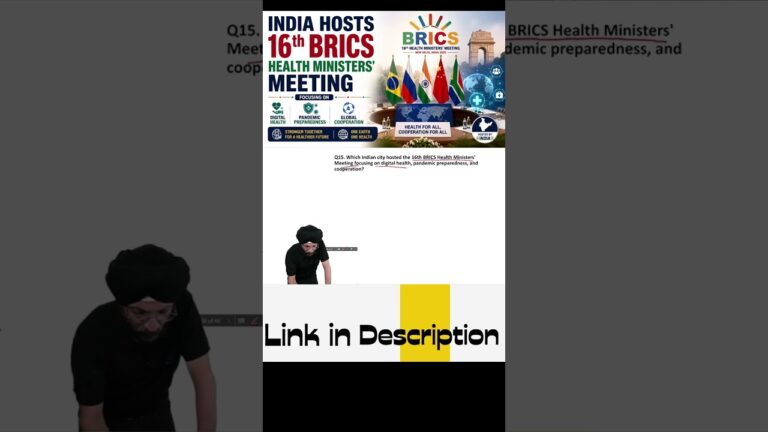
India Hosts 16th BRICS Health Ministers’ Meeting | Current Affairs 2026 | Important MCQ
Which country hosted the 16th BRICS Health Ministers’ Meeting in
New Exoplanet Reveals Giant Planet Formation Secrets | Space Current Affairs 2026 | Important MCQ
A newly discovered exoplanet has provided astronomers with important clues